Raccoon removal for structures
Raccoon Removal
Raccoons entering attics, rooflines, chimneys, soffits and other structures can create noise, property damage and contamination concerns. Reliant inspects the active entry, assesses the den area and selects a situation-appropriate removal and exclusion approach.
Homes, commercial properties and multi-unit properties across Toronto, the GTA and selected surrounding Ontario communities.

Active entry assessmentToronto & GTA
01Homes, Commercial & Multi-Unit Properties
02Active Entry Assessment
03Humane, Situation-Appropriate Removal
041-Year Guarantee on Secured Entry-Point Work
Signs of raccoon activity
Signs a Raccoon May Be Using Your Property
No single sign confirms a raccoon on its own. A combination of activity, damage and a repeat access pattern can help identify what needs to be inspected.
01
Heavy Movement or Noise
Thumping, walking or shifting sounds may be noticed around attic, roof or upper wall areas, often when the building is otherwise quiet.
02
Visible Roofline Activity
Repeated raccoon activity near a soffit, chimney, vent or roof edge may indicate an access route or den area.
03
Disturbed Exterior Materials
Damaged or shifted soffits, vents, fascia or roof components can point to an opening that should be assessed.
04
Droppings or Latrine Areas
Repeated droppings in a concentrated outdoor or roof area may be consistent with raccoon activity and should be approached cautiously.
05
Disturbed Insulation
Accessible insulation or nesting material that has been moved can be a sign of animal activity within a protected area.
06
Repeat Use of One Opening
Seeing activity return to the same structural gap can help identify the likely active entry for inspection.
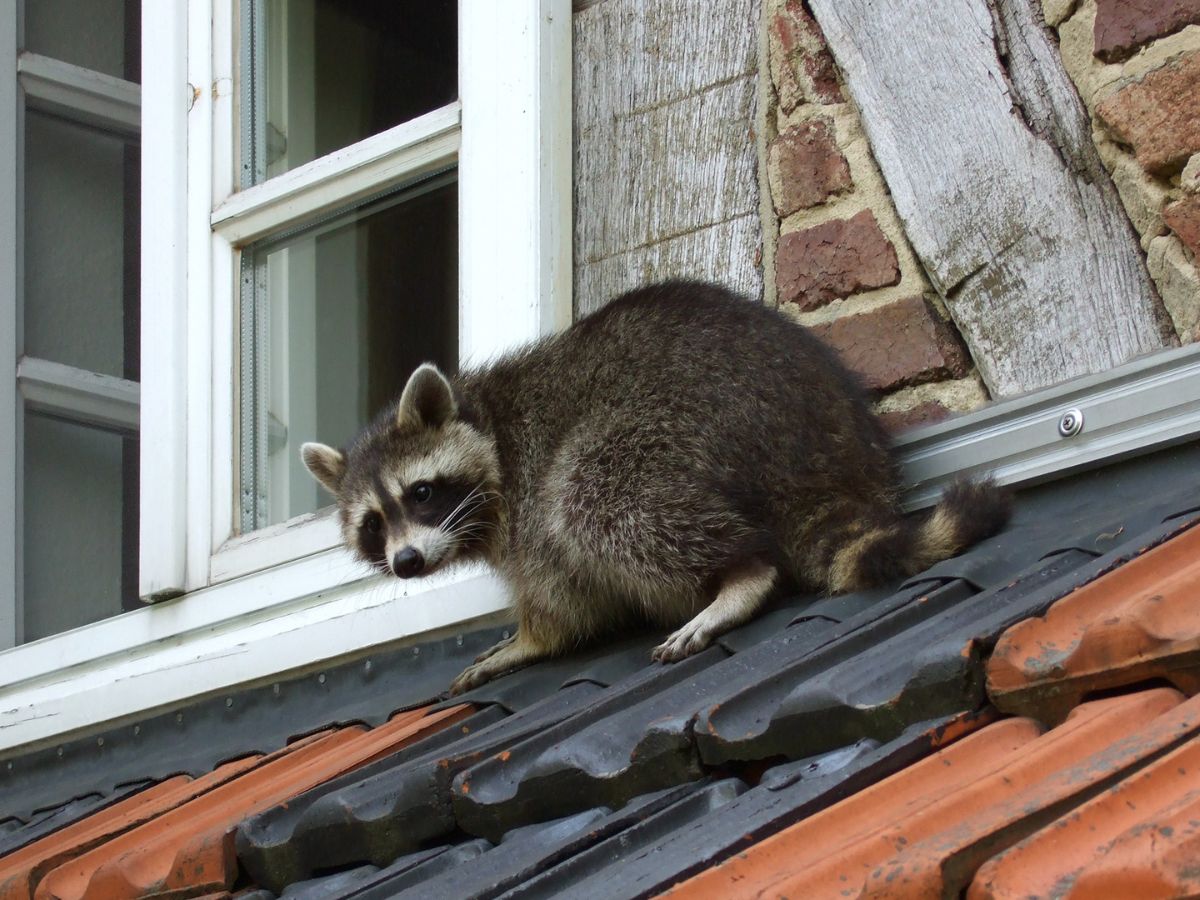
Roofline activityInspect before acting
Entry and den locations
Where Raccoons Commonly Get Into Buildings
Raccoons can use an existing damaged or vulnerable area to reach a sheltered space. The active location and surrounding conditions need to be assessed at the property.
01
Soffits & Fascia
Damaged or vulnerable roof-edge materials may provide access toward attic or roof spaces.
02
Roof Vents & Intersections
Openings around vents, roof returns and material transitions may require closer inspection.
03
Chimneys
An accessible chimney can provide a sheltered den location when suitable protection is absent or damaged.
04
Wall, Attic & Outbuilding Openings
Existing structural gaps around buildings, garages or outbuildings may become active access points.
Inspection comes first
Inspection Comes Before the Removal Plan
The appropriate removal approach depends on where the raccoon is active, how the area can be reached and whether dependent young may be present. Reliant evaluates the accessible evidence before recommending the next step.
Hidden cavities cannot always be fully viewed. Where access is limited, the technician uses the available signs and property conditions to explain what can reasonably be assessed.
The normal approach is inspection, assessment and the least disruptive appropriate method for the situation.
01
Reported signs and current activity
02
Likely den area and active opening
03
Accessibility and working conditions
04
Evidence that dependent young may be present
05
Surrounding vulnerable conditions
06
Property, tenant or site-access constraints
How raccoon removal works
A Clear Process, Adapted to the Property
Every situation is assessed individually. The steps below describe the usual decision path, but timing and method depend on activity, access and whether dependent young are present.
01
Inspect & Confirm Activity
Assess the active entry, likely den area, accessibility and whether dependent young may be present.
02
Select the Appropriate Removal Approach
Choose the method according to the location, animal situation, access and conditions found at the property.
03
Use One-Way Exclusion Where Appropriate
Where appropriate and safe to do so, install a one-way door at the active entry so the raccoon can leave without normally re-entering through that opening.
04
Secure the Active Entry
After the exclusion process is complete, remove temporary equipment as appropriate and properly secure the active opening using suitable materials, which may include galvanized wire mesh.
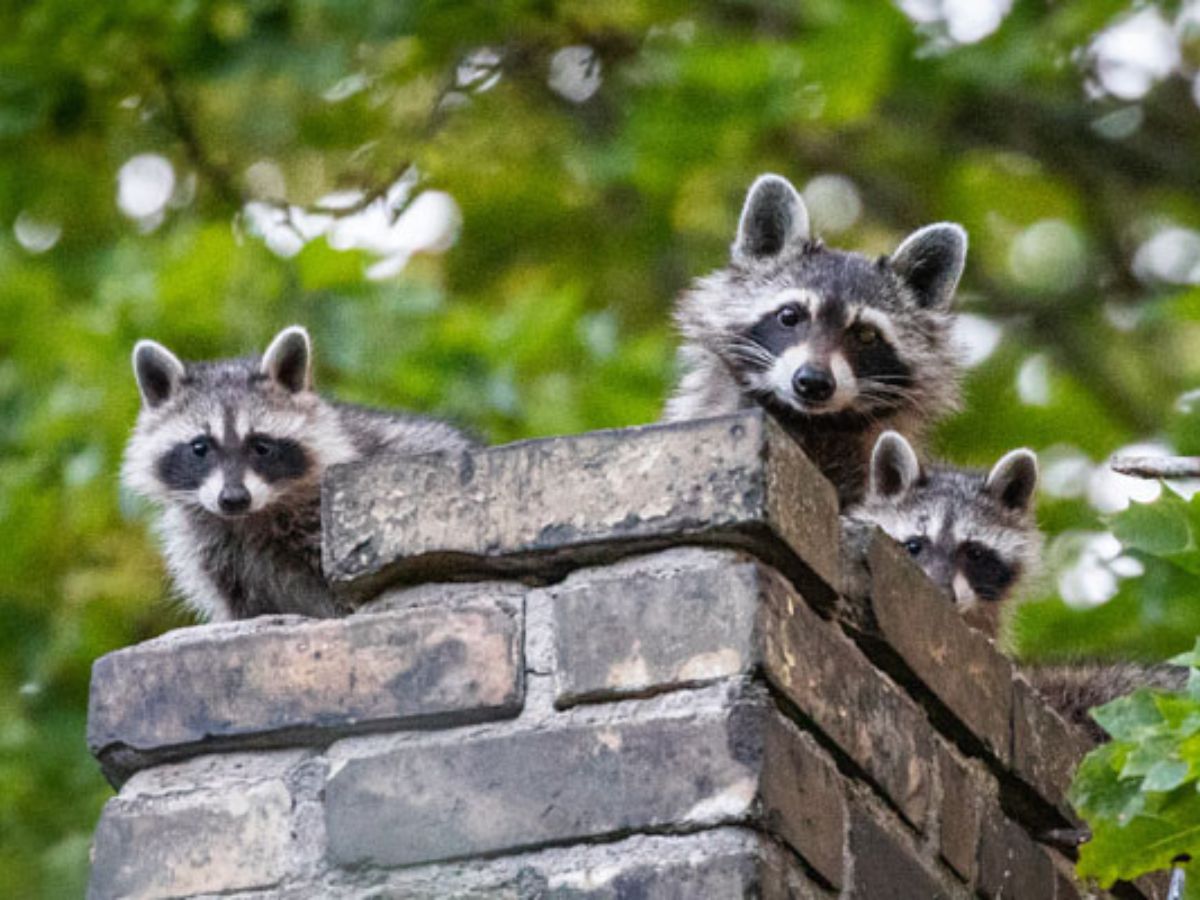
Dependent-young assessmentSituation-specific
Mother raccoons & dependent young
When a Mother Raccoon Has Dependent Young
Reliant first tries to locate the den and determine whether the babies can be safely accessed. The objective is to avoid using exclusion in a way that separates dependent young from the mother.
Path 01
If the Den Can Be Safely Accessed
Reliant may manually remove the babies and place them in a protected, accessible reunion box or location so the mother has an opportunity to retrieve and relocate them.
Path 02
If the Babies Cannot Be Accessed
Reliant generally waits until the young are developed enough to leave appropriately through a one-way door rather than using exclusion that would separate them from the mother.
Difficult-access situations are assessed individually. Cutting into ceilings, walls or similar materials is not presented as the standard approach and would require customer authorization if considered.
Service scope matters
Active Raccoon Removal and Broader Wildlife Proofing Are Different Services
Raccoon removal focuses on the active animal situation and the opening associated with it. Broader protection of other vulnerable areas is a separate property-specific scope.
Included service path
Active Raccoon Removal
- Locate current activity
- Determine the active opening
- Select an appropriate removal or exclusion method
- Use one-way-door work where appropriate
- Secure the active entry after the exclusion process
Separate quoted scope
Broader Wildlife Proofing
- Assess additional vulnerable areas
- Seal other suitable openings
- Complete additional exclusion work
- Define broader property-specific prevention work
Broader proofing is assessed and quoted separately when needed.
Ground-level den areas
Raccoons Under Decks, Sheds or Porches
An active raccoon using a low structure may require identification of the current access point, a suitable one-way exclusion method and securing accessible openings around the active area.
Full perimeter deck or shed wildlife proofing is a separate service. Where appropriate, that work may involve galvanized wire mesh trenched around the applicable perimeter.
Active use
Address the Current Access
Assess the active access point and use a situation-appropriate exclusion approach where suitable.
Separate scope
Define Full Perimeter Proofing
Quote the applicable perimeter, access requirements and proofing work separately from standard active-entry service.
Property-specific
Account for Site Conditions
Structure layout, ground conditions and accessibility influence the practical scope and method.
Property conditions
Damage and Contamination Can Extend Beyond the Entry Hole
The visible opening may be only one part of the concern. Accessible conditions around the den area can help determine whether separate cleanup, repair or restoration work should be considered.
01
Exterior Materials
Damaged soffits, vents, fascia or materials surrounding the active entry may need assessment.
02
Interior Den Area
Disturbed insulation, nesting material or droppings may extend beyond the opening itself.
03
Separate Work
Extensive cleanup, insulation replacement and major structural repair are not automatically part of raccoon-removal service.
Reliant can explain the raccoon-removal scope and identify visible concerns where accessible. Separate specialists or additional quoted work may be needed for extensive contamination or building repair.
Property types
Raccoon Removal for Different Property Types
The service remains residential-first while supporting access, coordination and site conditions at commercial and multi-unit properties.
01
Homes
Attics, rooflines, chimneys, soffits, decks, sheds and similar residential structures.
02
Commercial Properties
Roofline or structural access, operational scheduling and site-specific access considerations.
03
Multi-Unit Properties
Coordination around shared rooflines, common areas and relevant access considerations.
Raccoon removal pricing
What Affects the Cost of Raccoon Removal?
Cost depends on the active entry, access, den conditions and the work required to complete the agreed removal scope. Deck or shed work, broader exclusion and structural work may be quoted separately.
01Entry location
02Height and access
03Den accessibility
04Dependent young
05Opening complexity
06One-way-door requirements
07Active-entry securing
08Broader proofing or site access
Defined coverage1 Year
Guarantee & follow-up
One-Year Guarantee on Secured Raccoon Entry-Point Work
Reliant provides a one-year guarantee on the raccoon entry-point work that Reliant has completed and secured.
The guarantee applies to Reliant’s completed secured entry-point work. It does not automatically cover new openings created elsewhere on the building, and broader property proofing has its own applicable scope.
Coverage is tied to the completed work—not represented as whole-building, permanent or unlimited raccoon protection.
Raccoon removal FAQ
Clear Answers About the Service
Removal method, timing and scope depend on the active situation and property conditions.
How do I know if a raccoon is in my attic?
Heavy movement, repeat roofline activity, disturbed exterior materials, droppings or moved insulation may be consistent with raccoon activity. No single sign proves the species, so an inspection should consider the active opening and the accessible evidence.
How does professional raccoon removal work?
Reliant assesses the active entry, den area, accessibility and whether dependent young may be present. The technician then selects an appropriate removal or exclusion approach and secures the active entry after the process is complete.
Do you use one-way doors for raccoon removal?
Where appropriate and safe to do so, a one-way door may be installed at the active opening so the raccoon can leave without normally re-entering through that location. The method depends on the animal situation, access and property conditions.
What happens if there are baby raccoons?
If the den can be safely accessed, the babies may be manually removed and placed in a protected, accessible reunion location so the mother can retrieve them. If they cannot be accessed, Reliant generally avoids one-way exclusion that would separate dependent young from the mother and may wait until they can leave appropriately.
How long does raccoon removal take?
Timing varies with the active location, accessibility, animal behaviour, weather, equipment and whether dependent young are present. Reliant explains the expected process for the specific property rather than promising one universal timeline.
Do you seal the opening after the raccoon leaves?
Standard raccoon-removal work includes addressing and properly securing the active opening associated with the removal after the exclusion process is complete. This does not mean every other vulnerable area on the property is automatically included.
Is full wildlife proofing included with raccoon removal?
No. Active raccoon removal and securing the active entry are part of the raccoon-removal service. Broader wildlife proofing of additional vulnerable areas may be recommended and quoted separately.
Can you remove raccoons from under decks or sheds?
Reliant can assess an active access point beneath a deck, shed or porch and use an appropriate exclusion approach where suitable. Full perimeter deck or shed proofing is a separate service with its own scope.
Do you provide service for commercial or multi-unit properties?
Yes. Reliant provides raccoon-removal service for homes, commercial properties and multi-unit properties, with the approach adapted to the relevant access, coordination and site conditions.
Is raccoon-removal work guaranteed?
Reliant provides a one-year guarantee on the raccoon entry-point work Reliant completed and secured. The guarantee does not automatically cover new openings elsewhere on the building or broader areas outside the completed scope.
Related wildlife services
Choose the Service That Fits the Problem
These verified service pages provide the next step when the concern extends beyond active raccoon removal.
01
Wildlife Removal
Overview of Reliant wildlife-removal services for active animal concerns.
02
Wildlife Exclusion & Proofing
Broader property-specific assessment and proofing for additional vulnerable areas.
03
Deck & Shed Wildlife Proofing
Separate exclusion and perimeter-proofing options for low structures.
04
Squirrel Removal
A dedicated service path when the activity involves squirrels rather than raccoons.
A clear next step
Need Help With a Raccoon Problem?
Professional inspection and raccoon-removal service for homes, commercial properties and multi-unit properties in Toronto, the GTA and selected surrounding Ontario communities.