Skunk removal · Toronto & GTA
Skunk Removal
Professional help for skunks denning under decks, sheds, porches and other accessible structures. Reliant inspects the active access point, checks for dependent young and recommends a removal approach that fits the conditions found.
Serving Toronto, the GTA and selected surrounding Ontario communities

Skunk activityInspection-led service
Primary approachOne-way exclusion where appropriate
Young assessmentConditions checked before exclusion
Removal coverage1-year warranty on covered skunk-removal/exclusion work*
Separate proofing1-year guarantee on proofed work*
Low, sheltered spaces
Why Skunks Den Around Buildings
A skunk does not need to enter a house to create a difficult wildlife problem. The space below a low structure can offer cover, a stable den area and convenient access to the surrounding yard.
01
Shelter
Low structures can provide a protected space away from weather and regular activity.
02
Existing Openings
A gap at the edge of a deck, shed or porch can make the space beneath it accessible.
03
Seasonal Denning
A quiet location may become especially attractive when a female is preparing to raise young.
04
Nearby Food
Garbage, fallen fruit, pet food and lawn insects can encourage repeat activity around a property.
Evidence to notice
Signs a Skunk May Be Using Your Property
The strongest assessment combines the location, timing and physical evidence. A professional inspection helps distinguish a den opening from occasional skunk travel through the yard.
01
Strong, Repeat Odour
A recurring skunk smell near the same structure may point to activity nearby, although odour alone does not locate a den.
02
A Dug Opening
Fresh soil or a visible opening along the edge of a deck, shed, porch or addition can indicate access beneath it.
03
Evening Activity
Skunks are often noticed leaving a sheltered area around dusk or returning before daylight.
04
Tracks or Disturbed Soil
Prints, compressed vegetation and repeated paths can help narrow down where an animal is travelling.
05
Pet Encounters
A dog repeatedly focusing on the same low opening may be reacting to wildlife activity below the structure.
06
Lawn Digging
Small, shallow holes can be consistent with feeding activity, but they do not by themselves prove a den is present.
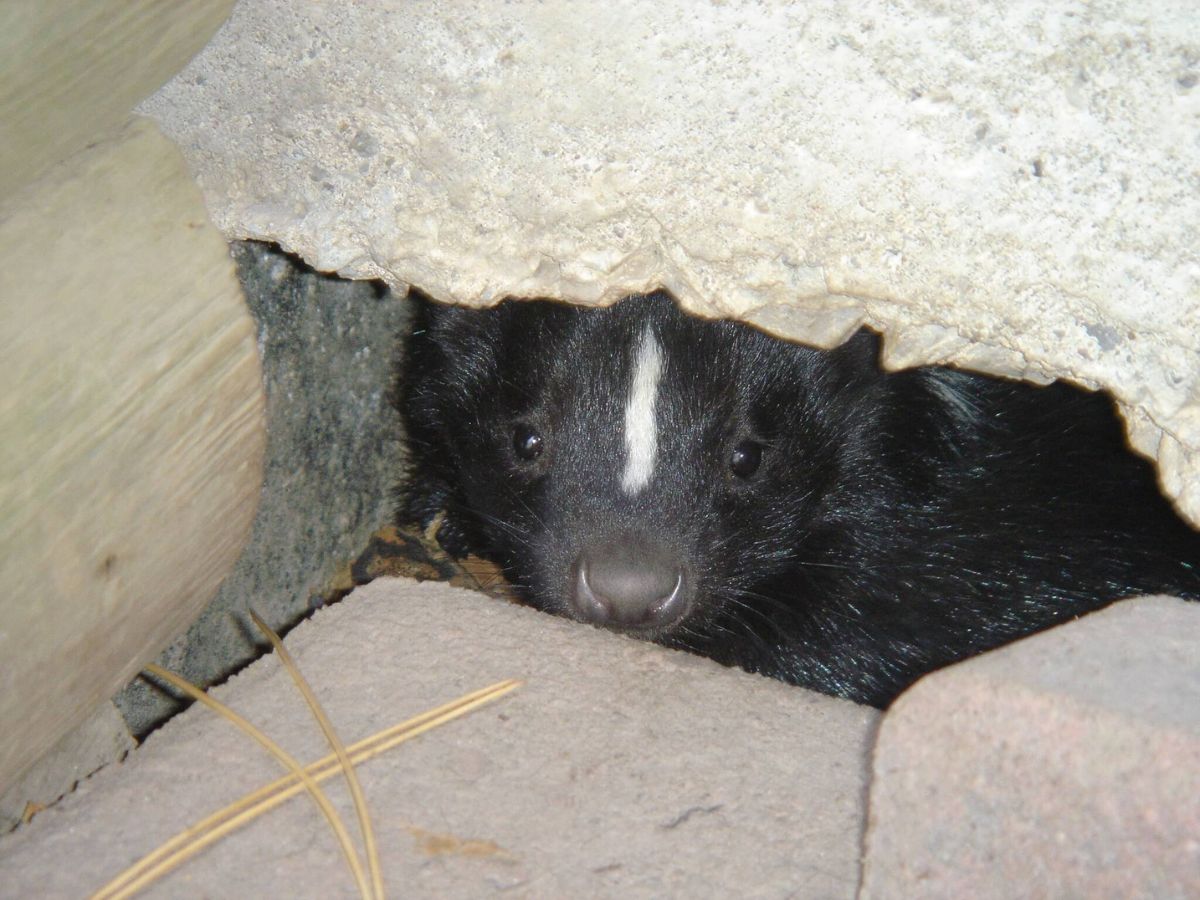
Low structureActive access must be assessed
Where activity often starts
Common Skunk Den Locations
Skunks commonly use sheltered voids close to ground level. Reliant focuses on the active access point and the construction immediately around it rather than assuming every low space is occupied.
01
Decks and Porches
Open edges, displaced lattice or soil gaps can provide direct access beneath the structure.
02
Sheds
An accessible perimeter or pre-existing void can create a sheltered den area below a shed.
03
Additions and Steps
Low additions, landings and exterior steps may contain concealed spaces close to grade.
04
Other Accessible Voids
The relevant location depends on the actual construction, soil and visible access conditions.
Start with the active opening
What a Skunk Inspection Looks For
The goal is to understand how the animal is using the property before any exit device or securing work is installed.
Recommendations are based on reasonably accessible and visible conditions at the time of inspection.
Concealed conditions can change the scope. Reliant will explain any limitation that affects the proposed work.
01
Confirm the location of visible activity and the likely active access point
02
Review the deck, shed, porch or other accessible structure involved
03
Look for conditions that may indicate dependent young are present
04
Identify nearby accessible openings relevant to the contracted scope
05
Consider soil, construction and access conditions that affect the removal plan
06
Explain whether one-way exclusion or another appropriate option fits the situation
A condition-led sequence
Our Skunk Removal Process
For an active den beneath a deck, shed or porch, one-way exclusion is the preferred approach when conditions are appropriate. The exact sequence is tied to the contracted scope and what can reasonably be confirmed at the property.
01
Inspect the Active Access
Identify the opening in use and assess the relevant structure and surrounding conditions.
02
Assess for Young
Consider timing and available evidence before installing a device that would allow only independent animals to exit.
03
Install a One-Way Door Where Appropriate
Use one-way exclusion when the access point and family status make it suitable for the job.
04
Restrict Nearby Accessible Openings
Address nearby openings included in the contracted scope so the skunk is directed through the active exit.
05
Allow the Skunk to Exit
The device permits the skunk to leave while preventing it from using that same opening to return.
06
Confirm Exit When Reasonably Practicable
Review the available activity and site conditions before moving to final securing work.
07
Remove the Door and Secure the Opening
Complete the agreed work at the active opening once the exclusion stage has been resolved.
Timing matters
What If Baby Skunks Are in the Den?
A one-way door should not be installed when dependent young cannot exit with the mother. Separating a mother from immobile young can leave animals trapped below the structure.
01
Wait Until They Are Mobile Enough
When young are dependent and cannot leave through the planned exit, the service timing is generally adjusted until they are mobile enough to exit appropriately.
02
Proceed When Conditions Allow
Once the family status and site conditions make exclusion appropriate, the active-access plan can move forward within the agreed scope.
Routine excavation or manual removal of baby skunks is not presented as a standard inclusion. Difficult or invasive access would require a separate assessment before any additional work is considered.
Two different service scopes
Active Removal and Full Perimeter Proofing Are Different
Securing an active access point is not the same as installing a full wildlife-proof perimeter around an entire deck or shed. Each service has its own scope and coverage.
Current den activity
Skunk Removal
Addresses the active access point and the skunk activity involved in the contracted service.
- Inspect the active opening
- Assess for dependent young
- Use one-way exclusion where appropriate
- Secure the active opening after exit
1-year Reliant service warranty Applies only to covered skunk-removal/exclusion work within the contracted scope and service conditions.
Separate broader service
Deck & Shed Perimeter Proofing
Uses galvanized wire mesh trenched around the applicable perimeter to reduce wildlife digging new openings along the proofed area.
- Quoted as a separate scope
- Applies only to the proofed perimeter
- Does not imply major reconstruction
- Not property-wide wildlife coverage
1-year guarantee on proofed work only. If wildlife creates an opening through the proofed area, Reliant will return and re-secure the covered opening in accordance with the service terms.
Close the active route
Securing the Area After the Skunk Exits
Removing the one-way door without securing the applicable active opening can leave the same access available again. Final work is completed only after the exclusion stage has been resolved as reasonably practicable.
01
Review the Exit Conditions
Consider the available site evidence and any planned follow-up before removing the device.
02
Remove the One-Way Door
Take down the temporary device once the removal stage is ready to be completed.
03
Secure the Active Opening
Complete the agreed closure or exclusion work at the active access point.
The work applies to the opening and nearby accessible areas included in the contracted scope. It does not promise that every potential wildlife opening across the property has been identified or secured.
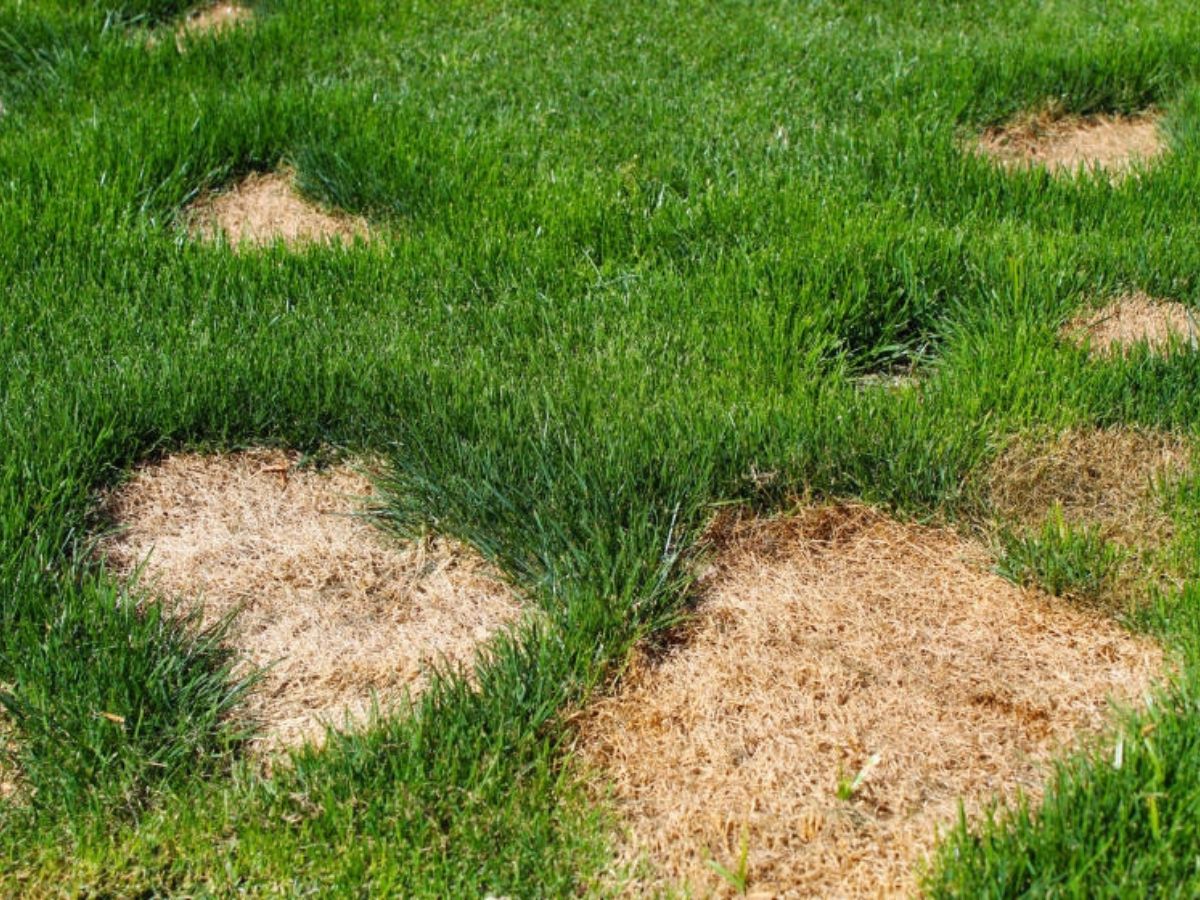
Disturbed turfFeeding activity can be separate from denning
A different kind of activity
Why Skunks Dig Small Holes in Lawns
Skunks may make shallow holes while searching for insects and other food below the surface. This feeding activity can happen even when the animal is not denning on the property.
An inspection should distinguish lawn disturbance from the dug opening of an active den. The appropriate recommendation depends on which condition is actually present.
01
Feeding Activity
Small scattered holes may reflect a skunk moving through the yard in search of food.
02
Den Access
A concentrated opening at a low structure is a different condition and should be assessed as a possible den entrance.
Property context
Skunk Activity Across Different Properties
Access, ownership and construction can change how an inspection is completed and which work can be included. Reliant defines the relevant structure and service boundary before work begins.
01
Detached Homes
Decks, porches, additions and sheds can create accessible low voids around a residential property.
02
Townhouses
Adjoining structures and shared areas may require clear confirmation of the responsible property and work boundary.
03
Multi-Unit Properties
Site access, tenant activity and property-management approval can affect inspection and scheduling.
04
Commercial Properties
Exterior steps, storage structures and low building areas may require a plan that fits site operations and authorized access.
Property-specific pricing
What Affects the Cost of Skunk Removal?
Skunk-removal pricing varies because the active opening, structure, access and exclusion requirements differ from property to property.
Reliant can provide quote guidance based on the information available, with the recommended scope confirmed from the property conditions.
01Location and accessibility of the active opening
02Deck, shed, porch or other structure involved
03Evidence or timing of dependent young
04Length and construction of the relevant perimeter
05Number of nearby accessible openings in scope
06One-way-door and follow-up requirements
07Soil and site conditions affecting installation
08Active-opening securing work required
09Separate perimeter-proofing scope, if requested
10Coordination needs at multi-unit or commercial properties
Skunk removal FAQ
Skunk Removal FAQs
Answers about evidence, one-way exclusion, dependent young, trapping, securing, proofing, guarantees, timing, pricing and service areas.
How do I know if a skunk is denning under my deck or shed?
Repeat activity at the same opening, fresh soil, tracks, a visible path and evening movement can support that conclusion. Odour or lawn digging alone does not confirm an active den, so the location and timing should be assessed together.
Do you use one-way doors for skunk removal?
Yes, a one-way door is the preferred approach for an active deck, shed or porch den when the opening, access and family status make it appropriate. It allows the skunk to exit while preventing return through that same opening.
What happens if baby skunks are present?
A one-way door should not be installed when dependent young cannot exit. The service timing is generally adjusted until the young are mobile enough to leave appropriately. Routine excavation or manual baby removal is not presented as a standard inclusion.
Can cage trapping be used?
Cage trapping can be offered in certain situations or by customer request, subject to the property conditions and applicable service requirements. It is not the primary approach marketed for an active deck, shed or porch den.
Will the active opening be secured after the skunk exits?
Once exit has been resolved as reasonably practicable, Reliant can remove the one-way door and complete the agreed securing work at the active opening. Nearby accessible openings are included only when they are part of the contracted scope.
Is full deck or shed perimeter proofing included with removal?
No. Full perimeter proofing is a separate broader service using galvanized wire mesh trenched around the applicable perimeter. It is quoted separately and does not imply major reconstruction.
What guarantees apply to the work?
Covered skunk-removal/exclusion work carries a 1-year Reliant service warranty within the contracted scope and service conditions. Separate full perimeter proofing carries a 1-year warranty on the proofed work only. These warranties are not property-wide and do not guarantee against all future wildlife activity; service terms apply.
How long does skunk removal take?
Timing depends on animal activity, access, dependent young, the one-way-door stage and what can reasonably be confirmed at the property. Reliant explains the expected sequence for the specific job rather than promising one universal duration.
What affects the cost of skunk removal?
The active opening, structure, accessibility, dependent young, nearby openings in scope, one-way-door requirements, soil conditions, follow-up and any separate perimeter proofing can all affect pricing.
Where does Reliant provide skunk removal?
Reliant serves Toronto, the GTA and selected surrounding Ontario communities. Contact the team with the property address to confirm service availability.
A clear next step
Concerned About a Skunk Den on Your Property?
Reliant can inspect the active access point, assess the conditions and recommend an appropriate removal or perimeter-proofing scope for the property.