Bird removal & exclusion – Toronto & GTA
Bird Removal & Exclusion
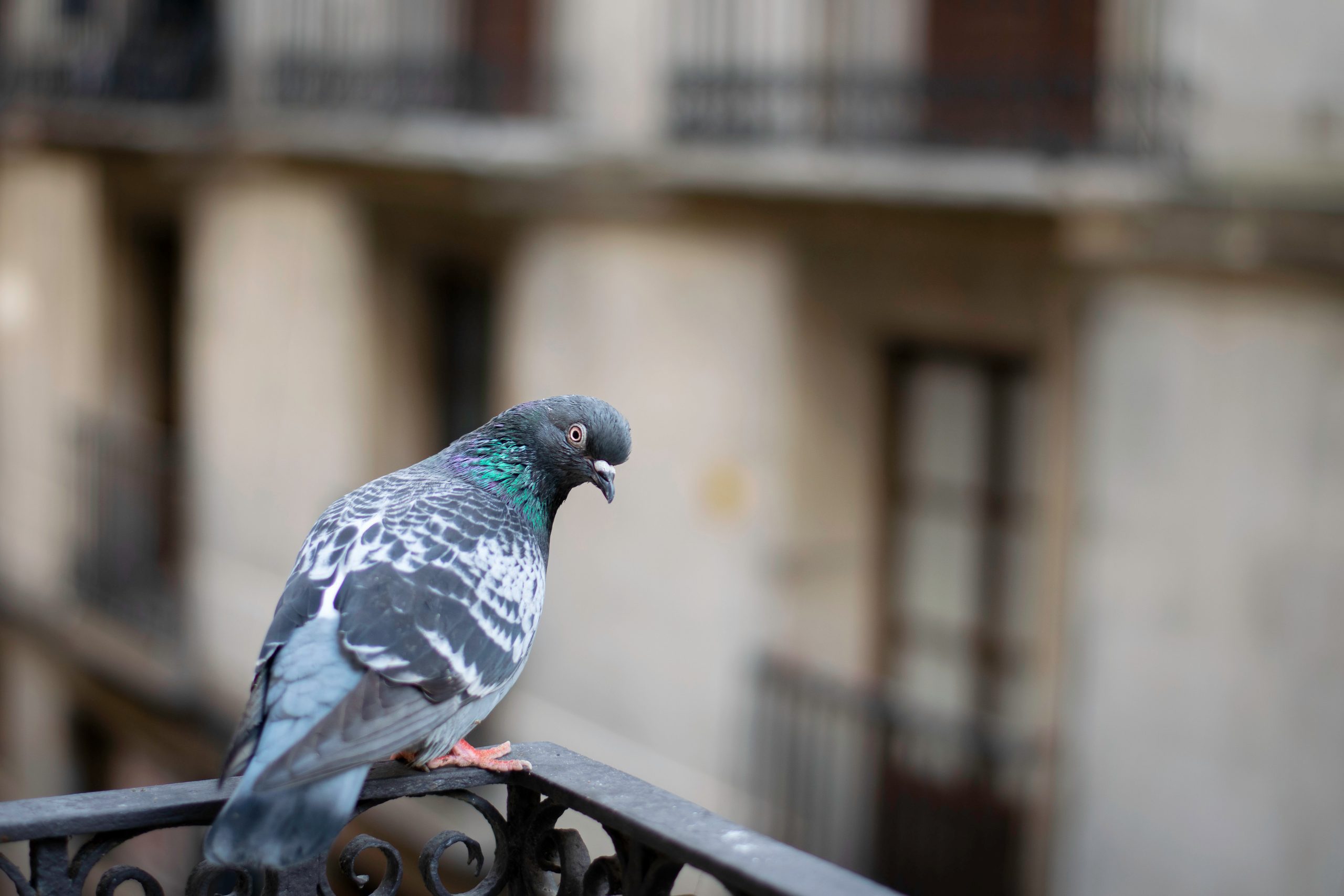
Bird activity in vents, soffits, roof openings, balconies and commercial structures needs a responsible plan. Reliant inspects the location, determines whether nesting is active and recommends appropriate removal, cleaning, exclusion or deterrence work.
Serving Toronto, the GTA and selected surrounding Ontario communities
Building-focused inspectionResponsible next steps
Where building problems begin
Common Bird Problems Around Buildings
Bird concerns are often tied to a specific opening or surface rather than the entire property. The right response depends on whether birds are nesting, entering a void, roosting on a treated surface or using an open area.
01
Vents
Birds may enter damaged or open bathroom, dryer or exhaust vent covers where the opening provides shelter.
02
Soffits & Fascia
Gaps or damaged edges can provide access to concealed nesting spaces near the roofline.
03
Roof Openings
Accessible gaps around roof details can support repeat entry and nesting activity.
04
Balconies & Ledges
Sheltered horizontal surfaces can attract landing, roosting or nesting.
05
Signage
Letters, canopies and sign structures can create protected commercial perches and nest sites.
06
Commercial Structures
Loading, service and roofline areas may develop repeat activity that requires a defined exclusion or deterrent plan.
Evidence to notice
Signs & Common Nesting Areas
No single sign proves the full condition. Reliant combines the location, visible evidence and bird activity to determine whether the nesting area is active and what work may be appropriate.
01
Repeated Entry and Exit
Birds repeatedly using the same opening can indicate a nest or sheltered activity inside.
02
Visible Nesting Material
Grass, twigs and feathers around an opening may be associated with nesting, but activity should still be assessed.
03
Sounds From a Vent or Soffit
Movement or calls from a building opening can be consistent with birds, although the source should be confirmed.
04
Droppings Below a Surface
Accumulation below a ledge, sign or opening can help identify a regular perch or access route.
05
A Visible Nest
A visible nest must be checked for eggs or dependent young before any removal is considered.
06
A Compromised Vent Cover
A missing, broken or displaced cover can leave a practical entry route into an accessible vent.
Reliant active-nest policy
Eggs or dependent young? We wait.
A responsible, firm boundary
Active Nests, Eggs & Young Birds
Reliant does not disturb or remove an active nest containing eggs or dependent young. The customer must wait until the young have fledged and the nest is inactive.
Once the nest is inactive and removal is appropriate, Reliant may remove accessible nesting material, clean the affected accessible area and secure or protect the entry point.
This policy is part of responsible service planning. It is not weakened when immediate removal would be more convenient.
A status-led service sequence
How Reliant Handles Bird Problems
The service path changes when nesting is active. Reliant first establishes what is happening, then moves to removal, cleaning, exclusion or deterrence only when the conditions and agreed scope allow.
01
Inspect the Bird Activity
Review the opening, nesting area, surface or defined protected area involved.
02
Determine Whether Nesting Is Active
Look for eggs, dependent young and current use before recommending removal or exclusion.
03
Wait When Necessary
If eggs or dependent young are present, leave the active nest undisturbed until fledging.
04
Remove Inactive Nesting Material
Remove accessible inactive nest material when appropriate and included in the service.
05
Clean the Accessible Affected Area
Clean the relevant accessible vent or nesting area where appropriate.
06
Secure or Protect the Access
Seal an accessible entry point or install appropriate vent screening/protection within the agreed scope.
07
Add Deterrence Where Appropriate
Use spikes, netting or another suitable physical measure for the specifically treated area when recommended.
A common building entry point
Bird Nests in Vents
Birds may use bathroom, dryer or similar exterior vent openings when the cover is damaged, missing or accessible. The first question is whether nesting is active.
After an inactive nest can appropriately be removed, service may include accessible nesting-material removal, cleaning, screening or protection. Practical vent-cover repair or replacement can be considered when requested and within Reliant’s scope; Reliant does not present itself as an HVAC contractor.
01
Confirm the vent opening involved and whether birds are currently nesting
02
Leave an active nest with eggs or dependent young undisturbed
03
Remove accessible inactive nest material when appropriate
04
Clean the affected accessible vent area where included
05
Install suitable screening or protection for the specific opening
06
Assess practical vent-cover repair or replacement when requested
Address the physical access
Entry-Point Sealing & Bird Exclusion
Removing nesting material and physically securing the access point are separate parts of the work. Exclusion may address accessible soffit gaps, fascia openings, roof gaps, vents or similar entry routes included in the contracted scope.
Cleanup stage
Inactive Nest Removal & Cleaning
Addresses accessible inactive nesting material and the affected accessible area where appropriate.
- Does not secure the opening by itself
- Does not guarantee another bird will not return
- Applies only after nesting is inactive
Physical protection stage
Entry-Point Exclusion
Secures or protects the specifically identified accessible opening included in the service.
- May include sealing or screening
- Defined by the covered work/opening
- Major structural repairs are not automatic
Choose the measure for the area
Bird Spikes, Netting & Deterrent Options
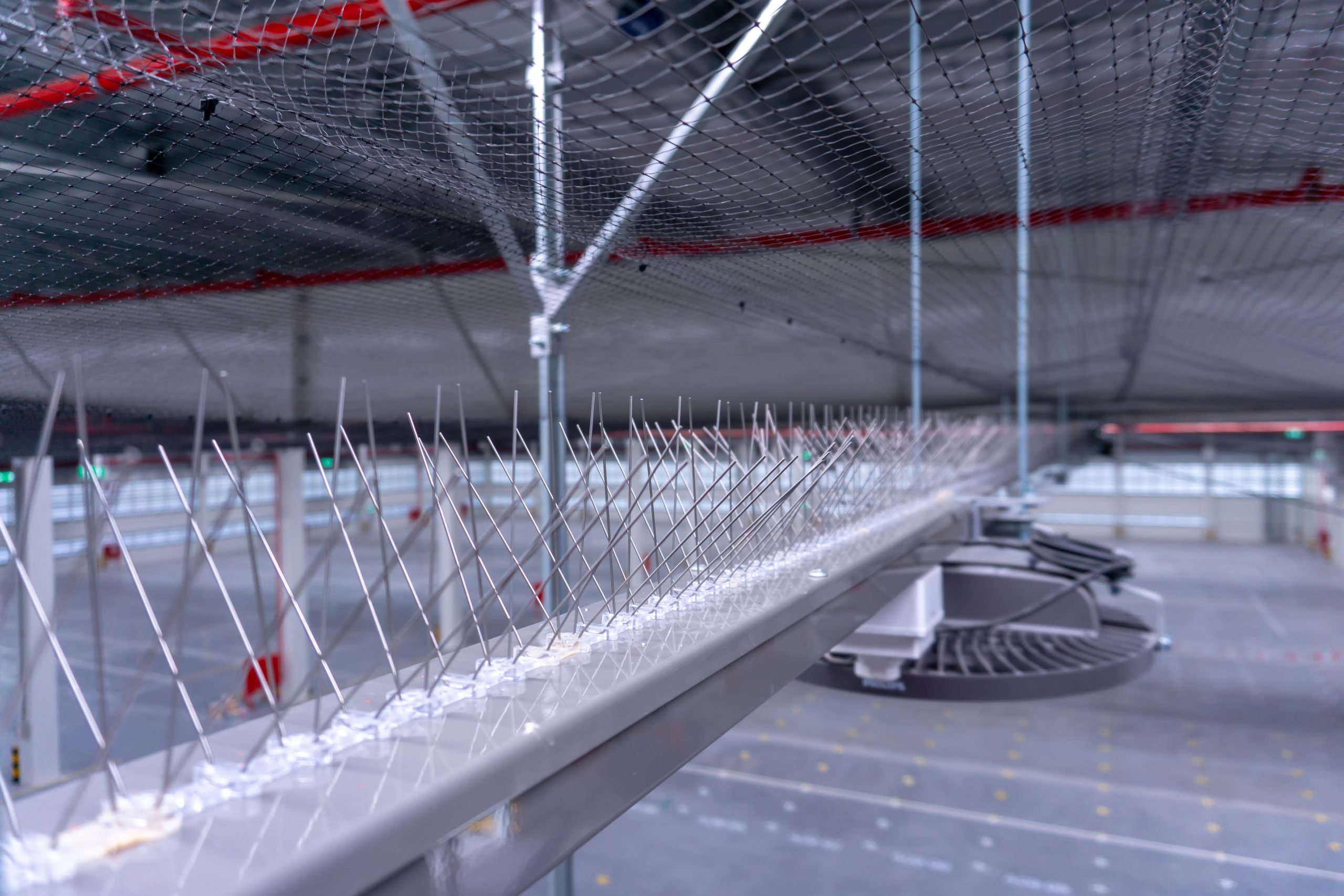
Open surfaces and defined enclosed areas call for different measures. Suitability depends on the construction, bird pressure, access and the exact surface or area to be treated.
01
Bird Spikes
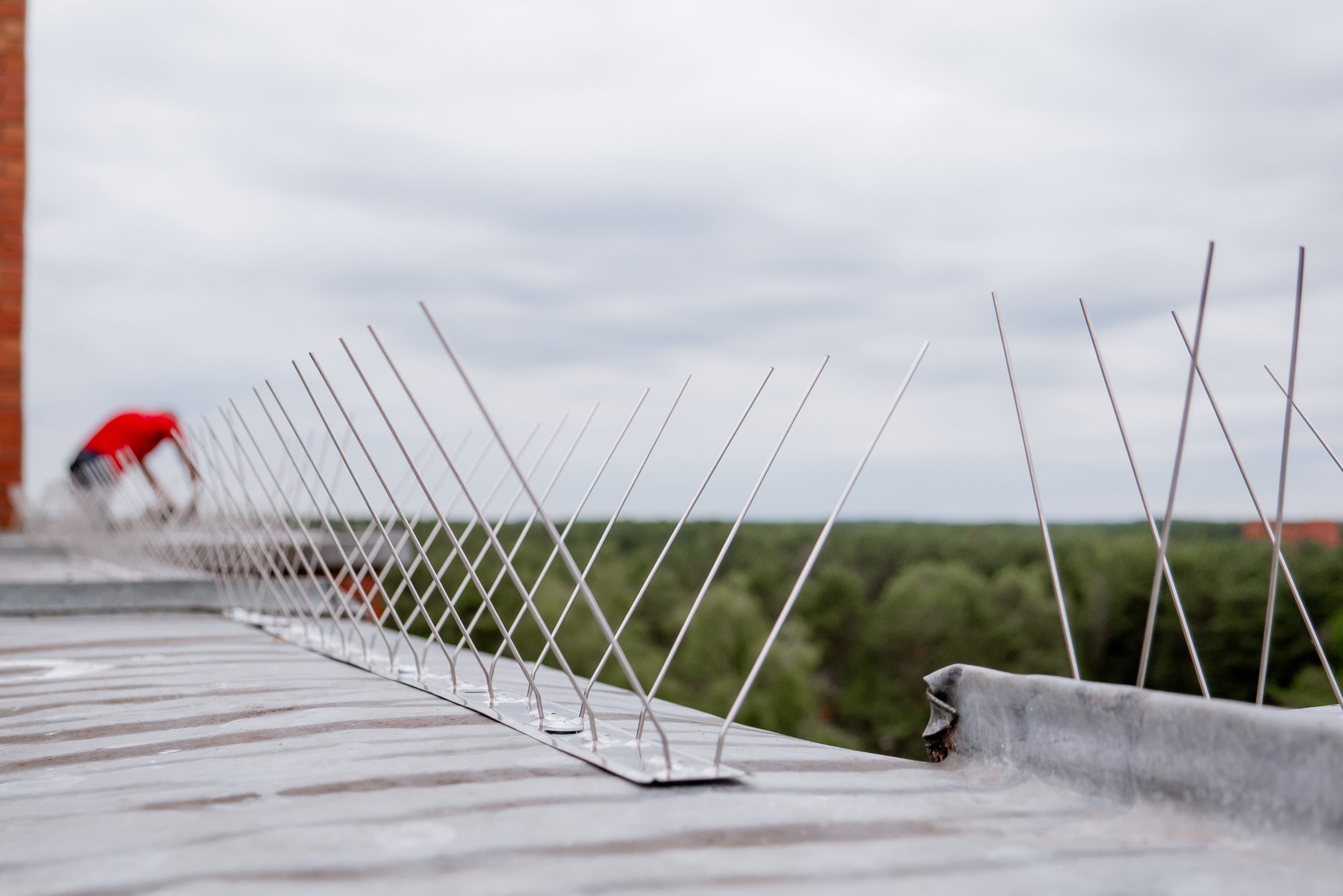
Spikes may discourage landing or roosting on ledges, signs, parapets and similar surfaces. Reliant assesses the surface, its width, bird activity and site conditions before selecting coverage for the actual problem area.
Spikes are not suitable for every bird species or nesting situation. They do not guarantee that birds will leave the property or avoid nearby untreated surfaces.
02
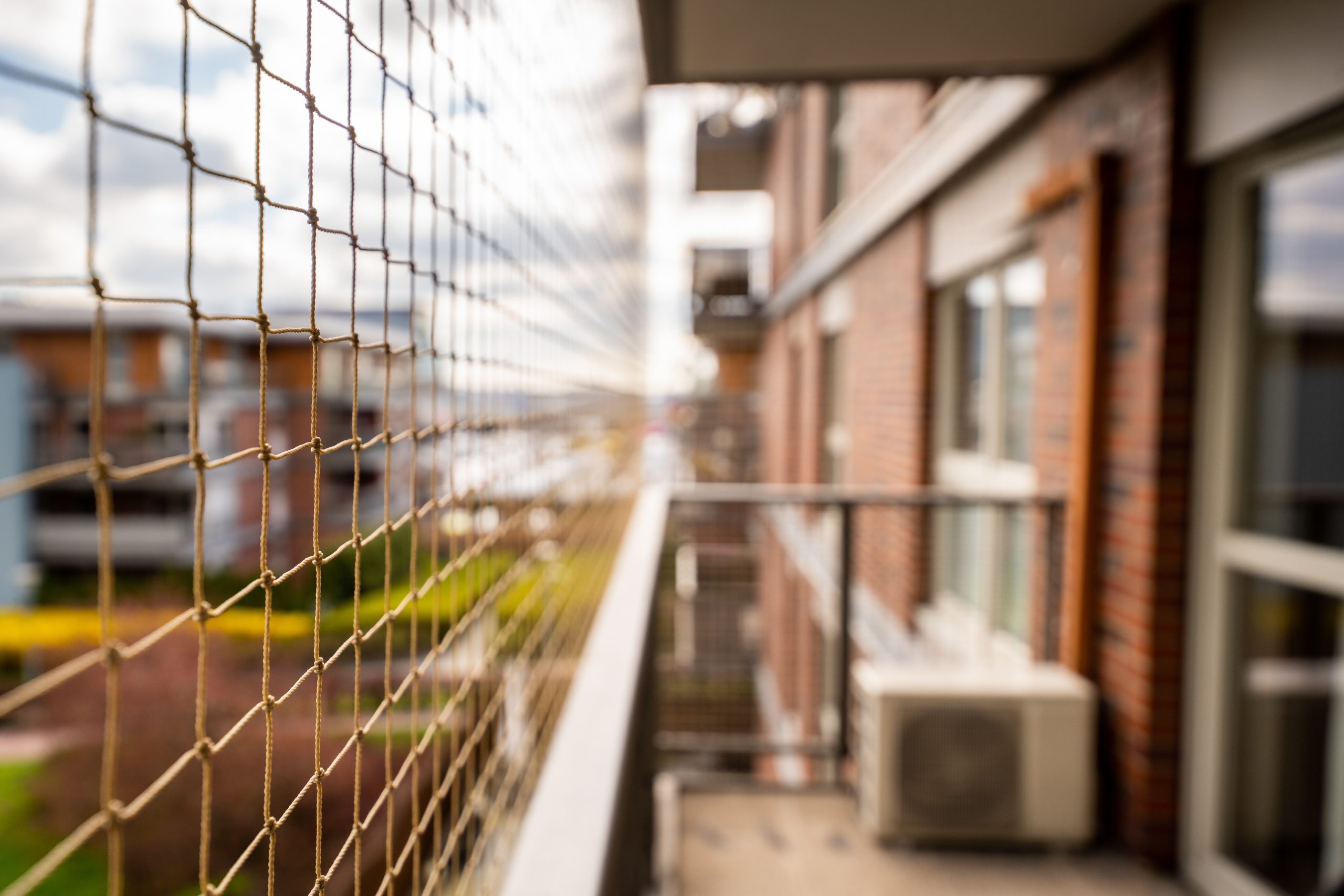
Bird Netting
Netting may restrict bird access to defined areas such as balconies, signage and building features, warehouses, loading docks or rooftop equipment. Installation depends on the area being enclosed, access, attachment conditions and the bird problem.
Materials and mesh must suit the application. Installed systems may need inspection or maintenance depending on conditions. Coverage is limited to the defined protected area.
Reliant does not offer a blanket bird-behaviour guarantee for spikes or other open-area deterrence. Birds may move to another untreated surface.
Building-specific solutions
Residential & Commercial Bird Problems
The relevant work is defined by the opening, surface or protected area—not by a generic building category. Reliant considers access, construction, nesting status and activity when recommending a scope.
01
Residential Properties
Common concerns include birds entering vents, soffits and roof openings or using balconies and sheltered exterior areas.
02
Commercial Properties
Signage, ledges, rooflines, loading or service areas and recurring roosting locations may require a defined exclusion, netting or deterrent plan.
After nesting is inactive
Inactive Nest Removal & Cleaning
Where access and conditions allow, Reliant may remove an inactive nest and accessible nesting material, then clean the affected accessible vent or nesting area. The exact work depends on the location and agreed service scope.
01
Confirm the Nest Is Inactive
Removal is not started while eggs or dependent young are present.
02
Remove Accessible Material
Take out the inactive nest and accessible nesting material included in the work.
03
Clean the Affected Area
Clean the relevant accessible vent or nesting area where appropriate, without implying specialized hazardous remediation.
Property-specific scope
What Affects Bird-Removal & Exclusion Pricing?
Pricing depends on what is found at the property and which removal, cleaning, repair, exclusion or deterrent measures are appropriate. Reliant does not present a universal starting price.
An assessment helps define the location, access and protected area before a scope is recommended.
01Access and working height
02Nest or activity location
03Amount of nesting material
04Cleaning requirements
05Vent condition
06Exclusion or sealing scope
07Practical repair requirements
08Bird-spike or netting scope
09Size and configuration of the protected area
10Property and access conditions
Qualifying covered exclusion work
1 Year
Narrow, defined coverage
1-Year Bird-Exclusion Guarantee
A 1-year guarantee may apply to qualifying bird-entry or exclusion work specifically completed by Reliant. If the covered work at the specifically secured opening fails during the applicable period, Reliant will address that covered exclusion work according to the service terms.
- Coverage applies to the specific secured opening or protected work.
- It is not a guarantee that the entire property will remain bird-free.
- Birds may use another untreated area.
- Inactive nest removal alone is not guaranteed against recurrence.
- Spikes and open-area deterrence do not carry a blanket behavioural guarantee.
Netting is described as a physical barrier for the defined protected area where appropriate; no additional warranty terms are implied here.
Bird service FAQ
Bird Removal & Exclusion FAQs
Clear answers about active nests, vents, inactive nest removal, cleaning, repairs, exclusion, deterrence, guarantees and pricing.
Will you remove a bird nest with eggs or baby birds?
No. Reliant does not disturb or remove an active nest containing eggs or dependent young. The work must wait until the young have fledged and the nest is inactive.
Do you trap or relocate birds?
No. Reliant does not trap, capture or relocate birds. The service focuses on inspection, inactive nest removal, cleaning, physical exclusion and appropriate deterrence.
What happens if birds are nesting inside a vent?
Reliant first determines whether the nest is active. If eggs or dependent young are present, the nest remains undisturbed until fledging. Once inactive, accessible nest removal, cleaning and vent protection may be considered.
Can you remove an inactive bird nest?
Yes, Reliant may remove an accessible inactive nest and nesting material when the location and conditions make the work appropriate.
Can you clean the vent or nesting area afterward?
Cleaning of the affected accessible vent or nesting area may be included where appropriate. The scope depends on access, material and site conditions.
Can you repair or replace the vent?
Practical repair or replacement of a damaged exterior vent cover may be available when requested and within Reliant’s scope. Reliant does not claim to perform every type of vent or HVAC repair.
Can you seal the entry point after the birds leave?
Yes, an accessible entry point can be secured or protected when included in the agreed exclusion scope and the nesting area is inactive.
Do bird spikes guarantee birds will leave the property?
No. Spikes discourage landing or roosting on the specifically treated surface. Birds may move to another untreated ledge, railing or roofline.
Is bird exclusion work guaranteed?
A 1-year guarantee may apply to qualifying bird-entry or exclusion work specifically completed by Reliant. Coverage is limited to the covered work or opening and is not a property-wide bird-free guarantee.
What affects bird-removal and exclusion pricing?
Access, height, nesting location, material, cleaning, vent condition, repairs, exclusion scope, spikes or netting requirements, protected-area size and property conditions can affect pricing.
Related protection options
Related Bird & Exclusion Services
Explore the service that best matches the surface, opening or defined area involved. An inspection can help determine which option is appropriate.
Wildlife Exclusion & Proofing
Broader information about identifying and securing accessible wildlife entry points.
Start with the nesting status
Not Sure Whether the Bird Nest Is Active?
Reliant can inspect the activity, determine whether the nest must remain undisturbed and recommend the appropriate responsible next step for removal, cleaning, exclusion or protection.