Wildlife services / exclusion
Wildlife Exclusion & Proofing
Reliant provides inspection-led wildlife exclusion and proofing based on the property, the wildlife involved and whether animals are already active.
Active & preventive work
Toronto, GTA & selected communities
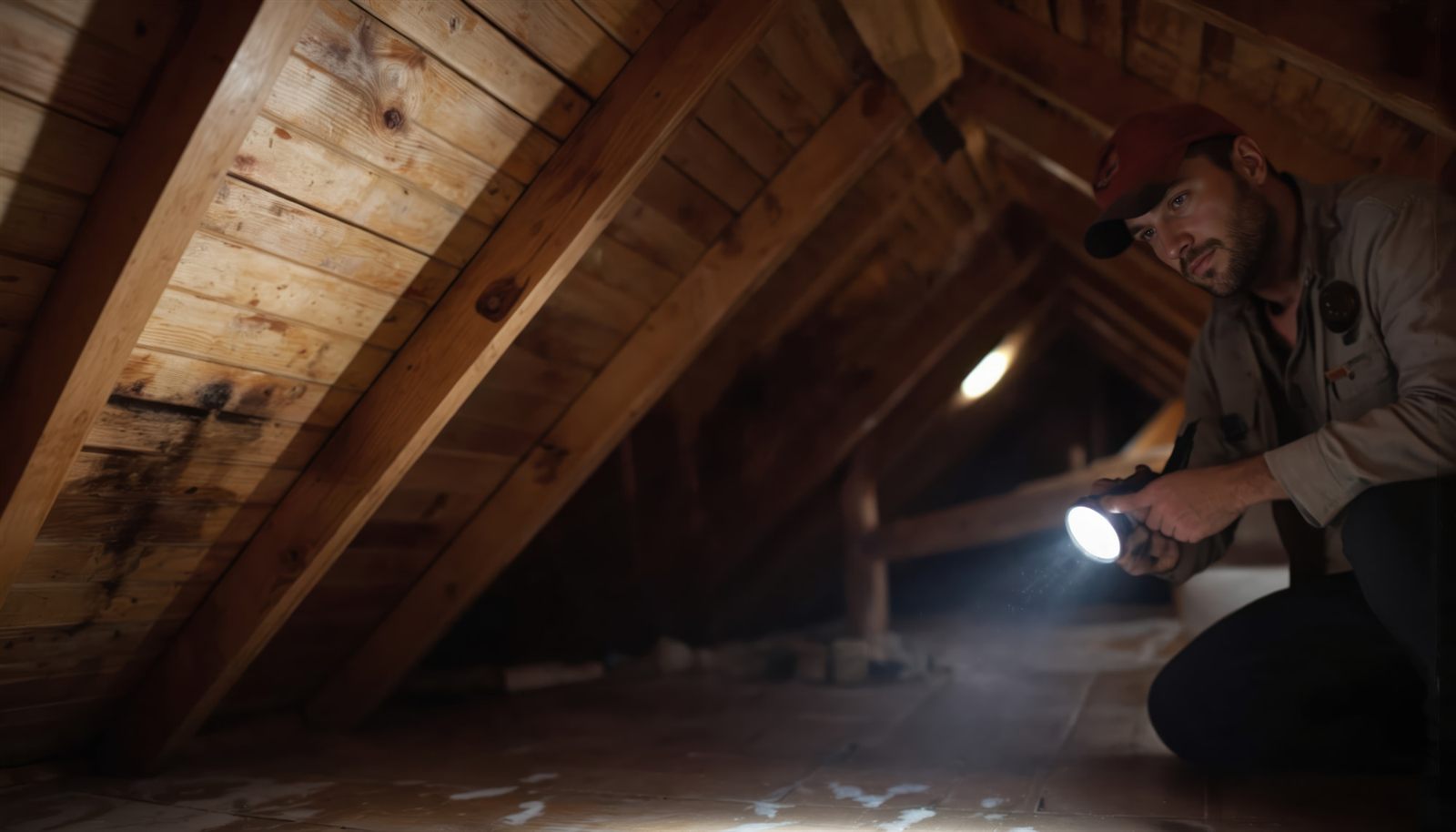
01 / Assess before securing
Active wildlife changes the order of work.
Understand the activity. Define the scope. Protect the appropriate areas.
01InspectFind relevant vulnerabilities
02Assess activityDetermine whether wildlife is present
03Define scopeClarify exactly what is included
04Exclude & proofComplete the authorized work
What proofing actually means
Protecting vulnerable areas starts with understanding the problem.
Wildlife proofing is about identifying areas animals may be using—or could potentially use—to get into or under a structure, then securing appropriate areas as part of a defined exclusion plan.
That is different from simply removing an animal.
If wildlife is already occupying a space, the active situation needs to be assessed before affected openings are secured. Depending on the species, location and conditions, the work may involve an appropriate exclusion or removal method before proofing is completed.
If there is no active wildlife, proofing can focus on vulnerable areas that may benefit from preventive protection.
Not every gap should automatically be sealed, and not every property needs the same amount of work.
Where wildlife gets access
Wildlife access is often a building problem, too.
Animals may use existing gaps, damaged areas, openings or unprotected spaces. The exact vulnerabilities vary by building and species.
Property envelope / representative reviewInspection-led
01
02
03
04
01
Roofline & Upper Exterior
Roof edges, soffits, fascia and exterior transitions.
02
Exterior Openings
Vents and openings assessed without interfering with their intended function.
03
Gaps & Transitions
Additions, penetrations and areas where building materials meet.
04
Decks, Sheds & Low Structures
Existing openings and accessible edges where wildlife may dig underneath.
Identify what is relevantDo not seal indiscriminately
Wildlife proofing services
Exclusion should match the property and problem.
Wildlife proofing is not one standardized package. The work depends on access, current activity and how much of the structure requires protection.
01Ground level
Deck & Shed Wildlife Proofing
Protection for accessible areas beneath decks, sheds and similar structures, including full perimeter proofing where appropriate.
02Building envelope
Exterior Entry-Point Proofing
Assessment and securing of appropriate exterior openings or vulnerable areas associated with wildlife access.
03Active situation
Active Wildlife Exclusion
Determine how the animal can be appropriately removed or allowed to leave before the affected access point is secured.
Additional proofing recommendations depend on what is found and the scope authorized by the customer.
Active wildlife vs preventive proofing
The right approach depends on whether wildlife is already there.
Path 01Active
Wildlife is currently inside or under the structure
Closing an active opening without understanding the situation can create a bigger problem.
Reliant first assesses the wildlife activity and access area. Where an appropriate one-way exclusion method can be used, the animal is provided a way to leave while access back through the treated opening is restricted.
Method depends on species, location and property conditions.
Path 02Preventive
You want to protect a vulnerable area
If there is no active wildlife, the focus can shift to preventive proofing.
This may involve identifying accessible vulnerabilities and securing the areas included in the agreed scope so wildlife is less able to use those locations in the future.
The scope should be clear before work begins.
Deck & shed wildlife proofing
A more complete approach below the structure.
Decks and sheds can provide sheltered areas that wildlife may access through an existing opening or by digging around the perimeter.
Reliant distinguishes between active wildlife exclusion and full perimeter proofing.
If wildlife is actively using the space, Reliant may install a one-way door at the active opening where appropriate and secure surrounding accessible openings with galvanized wire mesh. This allows the animal to leave while restricting access back through those treated areas.
For full perimeter proofing, galvanized wire mesh is trenched into the ground around the applicable perimeter. The objective is to make it more difficult for wildlife to create a new opening beneath the protected area.
The exact perimeter, access requirements and proofing scope are determined by the structure and site conditions.
Perimeter sectionNot to scale
Applicable perimeter
Trenched mesh
01Structure edge
02Galvanized wire mesh
03Protected ground line
Our wildlife exclusion process
From inspection to defined proofing.
Accessible areas / reported activity / relevant openings
01
Understand
Inspect the property
Assess the reported activity, accessible exterior areas and the location wildlife may be using.
02
Confirm
Determine activity
Identify whether animals are currently occupying or using the space and what approach is appropriate.
03
Define
Set the proofing scope
Explain recommended areas, included work and whether broader protection should be considered separately.
04
Complete
Carry out authorized work
Use a method appropriate to the location, wildlife activity and structure.
05
Clarify
Explain follow-up
Where follow-up or a guarantee applies, explain the covered work and relevant conditions.
Wildlife we commonly deal with
Different wildlife requires different exclusion decisions.
The appropriate approach depends on the species and the specific conditions at the property.
01
Raccoons
May investigate accessible roofs, structures and sheltered spaces.
02
Squirrels
May use exterior openings leading to protected or sheltered building areas.
03
Skunks
Commonly associated with accessible ground-level spaces beneath structures.
04
Birds
Work can involve exterior areas where nesting or access creates a concern.
05
Groundhogs
May create burrows around suitable ground-level areas and structures.
Property areas we inspect and protect
Look at the property as a system.
A wildlife concern may involve more than the single opening that first gets noticed.
01
Roofline & Exterior Transitions
Roof edges, soffit areas, fascia and transitions where a weakness may be present.
02
Exterior Vents & Openings
Accessible openings assessed to determine whether protective work is appropriate.
03
Structural Gaps & Penetrations
Relevant gaps around penetrations, additions and material transitions.
04
Decks, Sheds & Low Structures
Accessible edges where wildlife may enter through an opening or by digging.
Major structural repairs or unrelated building work are not automatically included in wildlife exclusion service.
Wildlife proofing pricing factors
What shapes the scope and cost?
Prices vary because the work can be very different from one property to another. Photos and customer information may help with an estimate; other properties require an inspection.
01Whether wildlife is currently active
02Location and number of relevant openings
03Accessibility and working height
04Size of the area being protected
05Deck or shed perimeter length
06Exclusion or proofing method required
07Site and structural conditions
08Additional areas in the requested scope
09Whether separate repair work is required
DefinedCoverage
Guarantee & follow-up
Clear coverage for the work that was actually completed.
Wildlife proofing guarantees should apply to defined work—not every possible opening or future wildlife issue on a property. Coverage can vary by service and protected area.
For full deck and shed perimeter proofing, Reliant provides a service guarantee for the covered proofed area. If wildlife creates an opening through the proofed perimeter covered by the service, Reliant returns to address and re-secure that opening at no additional charge, subject to the scope and conditions of the service.
Unproofed areas, unrelated openings, new damage outside covered work and major structural repairs are not automatically included.
Frequently asked questions
Clear answers before work begins.
Scope, activity and property conditions determine the right next step.
Is wildlife proofing the same as wildlife removal?
No. Removal or exclusion addresses an active animal situation. Proofing focuses on securing appropriate vulnerable areas. When animals are present, the active situation normally needs to be addressed before affected openings are permanently secured.
Can you just seal an opening if an animal is inside?
The situation should be assessed first. Closing an active opening without determining whether wildlife is still occupying the space can create additional problems. Where appropriate, an exclusion method may be used before the access point is secured.
What happens if wildlife is living under my deck or shed?
Reliant can assess the active opening and determine an appropriate method. Where suitable, a one-way door may be installed and surrounding accessible openings secured. Full perimeter proofing is a separate, broader service.
What does full deck or shed proofing involve?
Reliant trenches galvanized wire mesh around the applicable perimeter. The mesh creates a physical barrier intended to make it more difficult for wildlife to dig a new opening beneath the protected area.
Do you have to proof the entire property?
Not necessarily. The recommended scope depends on wildlife activity, vulnerabilities found and the areas the customer wants addressed. Included work should be clearly defined before service begins.
Can proofing be done before I have an animal problem?
Yes. Preventive proofing can be considered when vulnerable areas are identified even if wildlife is not currently occupying the space. The appropriate scope depends on the structure and areas being protected.
How much does wildlife proofing cost?
Cost depends on access, the number and location of openings, whether wildlife is active, the protected area, perimeter length and the amount of proofing required. Some situations may be estimated from information and photos; others require an inspection.
Is wildlife proofing guaranteed?
Guarantee terms depend on the specific work. Reliant’s full deck and shed perimeter proofing includes coverage for the proofed area under the applicable service guarantee. Other work should be reviewed according to its provided scope and terms.
Does proofing mean wildlife can never return?
No service should be presented as making an entire property permanently wildlife-free. Proofing protects the areas included in the work. Wildlife may still use untreated areas or new vulnerabilities elsewhere.
Related wildlife services
Find the service that fits the problem.
01
Deck & Shed Wildlife Proofing
Exclusion and full-perimeter proofing options for vulnerable areas beneath low structures.
02
Raccoon Removal
For active raccoon concerns involving a home, structure or property.
03
Squirrel Removal
For active squirrel concerns involving accessible building or property areas.
04
Skunk Removal
For skunk activity around structures and accessible ground-level areas.
A clear next step
Need help with wildlife access around your property?
Whether wildlife is already using an opening or you want to protect a vulnerable deck, shed or exterior area, Reliant can assess the situation and explain the appropriate next step.