
Rodent Control for Homes & Businesses
Mice and rats can be difficult to manage once they find food, shelter and access inside a property. Reliant provides professional rodent control for homes, rental properties and businesses across Toronto, the GTA and selected surrounding communities.
We start by looking at the signs of activity, where rodents may be travelling or entering, and the conditions that may be contributing to the problem. The right approach depends on whether you are dealing with mice, rats or another source of activity.

Mice or Rats? Start With the Right Rodent Service
Mice and rats can leave some similar signs, but they are not the same pest. Their size, behaviour, nesting locations and movement around a property can affect how a rodent problem should be investigated and controlled.
If you already know which rodent you are dealing with, use the dedicated service page below. If you are unsure, Reliant can assess the activity and help determine the appropriate next step.
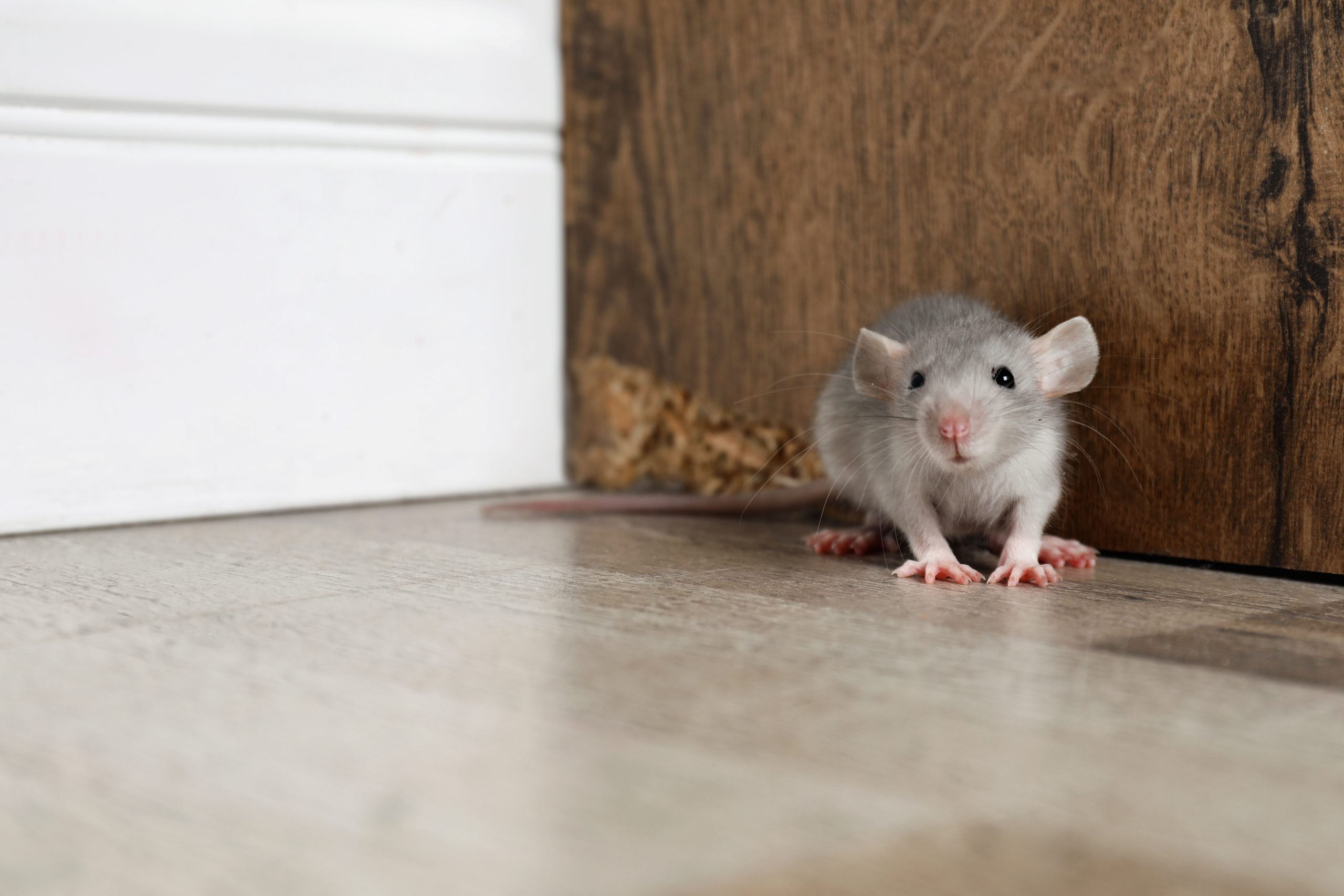
Mice Control
Small gaps, wall and ceiling voids, kitchens, basements, garages and other sheltered areas can become part of a mouse problem. Our dedicated Mice Control page explains common signs, inspection, treatment, monitoring and the role of entry-point sealing in greater detail.

Rat Control
Rat activity may involve different travel routes, nesting areas and exterior conditions than a typical mouse problem. Our dedicated Rat Control page explains rat-specific signs, inspection, treatment, monitoring and prevention considerations.
Signs You May Have a Rodent Problem
You may not always see the rodent itself. Activity can sometimes be identified through what rodents leave behind or the areas they disturb.
Droppings
Rodent droppings around cupboards, storage areas, basements, utility spaces or other travel areas may indicate activity.
Scratching or Movement Sounds
Noises inside walls, ceilings, attics or other concealed spaces can be associated with rodents moving through a building.
Gnawing or Chewing
Damage to food packaging, stored materials, wiring or other surfaces may point to rodent activity.
Nesting Material
Shredded paper, insulation or other soft materials in sheltered areas may be associated with nesting.
Burrows, Holes or Entry Gaps
Activity around foundations, exterior openings or other access points may help identify how rodents are using the property.
Sightings
Seeing a mouse or rat is a clear reason to look more closely at where the activity is coming from and whether additional signs are present.
Good Rodent Control Starts With Understanding the Problem
“Rodent control” is not one identical treatment for every property.
The first question is what is actually happening: which rodent appears to be active, where the activity is concentrated, how the animals are moving through the property and what conditions may be helping them remain there.
That distinction matters because mice and rats can behave differently and may require different placement, monitoring and control strategies.
A useful inspection also looks beyond the rodent itself. Food sources, water, clutter, exterior conditions and accessible openings can all affect the likelihood of continued activity.
The goal is to build the service around the actual conditions found at the property rather than apply the same response everywhere.
How Reliant Approaches Rodent Control
The details vary by property and species, but a professional rodent-control plan may involve several stages.
1. Inspect the Activity
We look for evidence such as droppings, gnawing, travel areas, nesting locations and other signs that can help establish where the problem is concentrated.
2. Identify the Likely Rodent and Conditions
Understanding whether the activity involves mice or rats helps determine the appropriate control and monitoring approach.
3. Implement the Rodent-Control Plan
Control methods are selected according to the property, activity and conditions identified during the inspection.
4. Monitor the Results
Rodent problems may require monitoring and follow-up rather than assuming one action has resolved every part of the issue.
5. Address Entry and Contributing Conditions Where Appropriate
Potential access points and property conditions can be discussed separately from active treatment. Structural exclusion or repair work is not automatically the same service as controlling active rodents and may require separate assessment or scope.
Rodent Treatment and Entry-Point Exclusion Solve Different Parts of the Problem
Controlling rodents that are already active inside a property and reducing opportunities for rodents to enter are related—but they are not the same job.
Active Rodent Control
Treatment focuses on the rodent activity currently present. The appropriate method depends on the species, property, location of activity and other conditions found during inspection.
Entry-Point Exclusion
Exclusion focuses on accessible openings or structural conditions that may allow rodents into the building. The extent of sealing or repair work depends on what is found and may be quoted separately when appropriate.
For many properties, understanding both sides of the problem provides a clearer long-term plan than treating rodent activity and structural access as if they were identical.
Rodent Problems Can Look Different From One Property to Another
A mouse problem inside a house does not necessarily require the same approach as rat activity around a commercial property or recurring activity in a multi-unit building.
Residential Properties
Rodent activity may involve kitchens, basements, garages, attics, wall voids, utility areas or exterior entry points. Access, occupant concerns and the layout of the property can all affect the service plan.
Rental & Multi-Unit Properties
Rodent activity may extend beyond a single unit. Inspection and control can require coordination between tenants, owners or property management depending on where the activity is occurring.
Commercial Properties
Restaurants, warehouses, offices, retail properties and other commercial environments can require more structured inspection and monitoring because food, storage, waste, loading areas, building access and operational requirements can affect rodent activity.
What Affects the Cost of Rodent Control?
There is no single price that accurately represents every mouse or rat problem.
- whether the activity involves mice or rats
- the extent and location of the activity
- property size and type
- accessibility of affected areas
- the control and monitoring required
- the number of visits needed
- exterior or structural conditions
- whether entry-point exclusion or repair work is required
- whether the property requires an ongoing commercial program
Contact Reliant with the details you have about the problem and property. We can discuss the situation and determine the appropriate next step.
Rodent Control FAQs
How can I tell whether I have mice or rats?
Size, droppings, tracks, gnawing, nesting locations and where activity occurs can provide clues, but not every sign is conclusive on its own. If you are unsure, an inspection can help determine what type of activity is present.
Are mice and rats treated the same way?
Not necessarily. Identifying the rodent matters because mice and rats differ in size and behaviour, and the control strategy, device selection, placement and monitoring may therefore differ.
Should rodent entry points be sealed immediately?
Entry-point sealing can be important, but the correct timing and scope depend on the property and active rodent situation. Active control and structural exclusion should be planned together rather than assuming that sealing alone resolves rodents already inside.
How long does rodent control take?
It depends on the species, amount and location of activity, property conditions, access and the response to control measures. Some situations may require monitoring or follow-up rather than a single visit.
Do you provide rodent control for commercial properties?
Reliant provides rodent-control services for appropriate commercial properties. The service plan can vary based on the type of facility, activity, access, sanitation and monitoring requirements.
What affects the price of rodent control?
Species, property size and type, activity level, accessibility, required visits, monitoring and any separate exclusion or repair work can all affect the scope and price.
Should I choose the Mice Control or Rat Control page?
If you know you have mice, visit our dedicated Mice Control page. If you know you have rats, visit our Rat Control page. If you are not sure what is causing the activity, contact Reliant and describe the signs you are seeing.
Not Sure Whether It’s Mice or Rats?
You do not need to identify the problem perfectly before contacting us. Tell Reliant what you have seen, heard or found and provide information about the property. We can help determine the appropriate rodent-control service and next step.