Professional Rat Control
Rat Control for Homes and Businesses
Rats can move between exterior burrows, waste areas, garages, crawl spaces and openings around a building. Reliant provides inspection-led rat control across Toronto, the GTA and surrounding communities, with treatment, monitoring and exclusion recommendations based on the property.
Homes, rentals & businesses
Free estimates may be available by phone
Treatment and exclusion assessed separately
Property-Wide Rat Activity
Why Rat Activity Should Be Addressed Early
Rats may contaminate food and storage areas, gnaw on materials, damage packaging and establish burrows around foundations, yards or exterior structures. Activity can also extend into garages, crawl spaces, service areas and shared parts of a building.
A professional inspection helps determine where rats are travelling, what conditions are supporting the activity and which control measures are appropriate for the property.
Signs Rats May Be Active
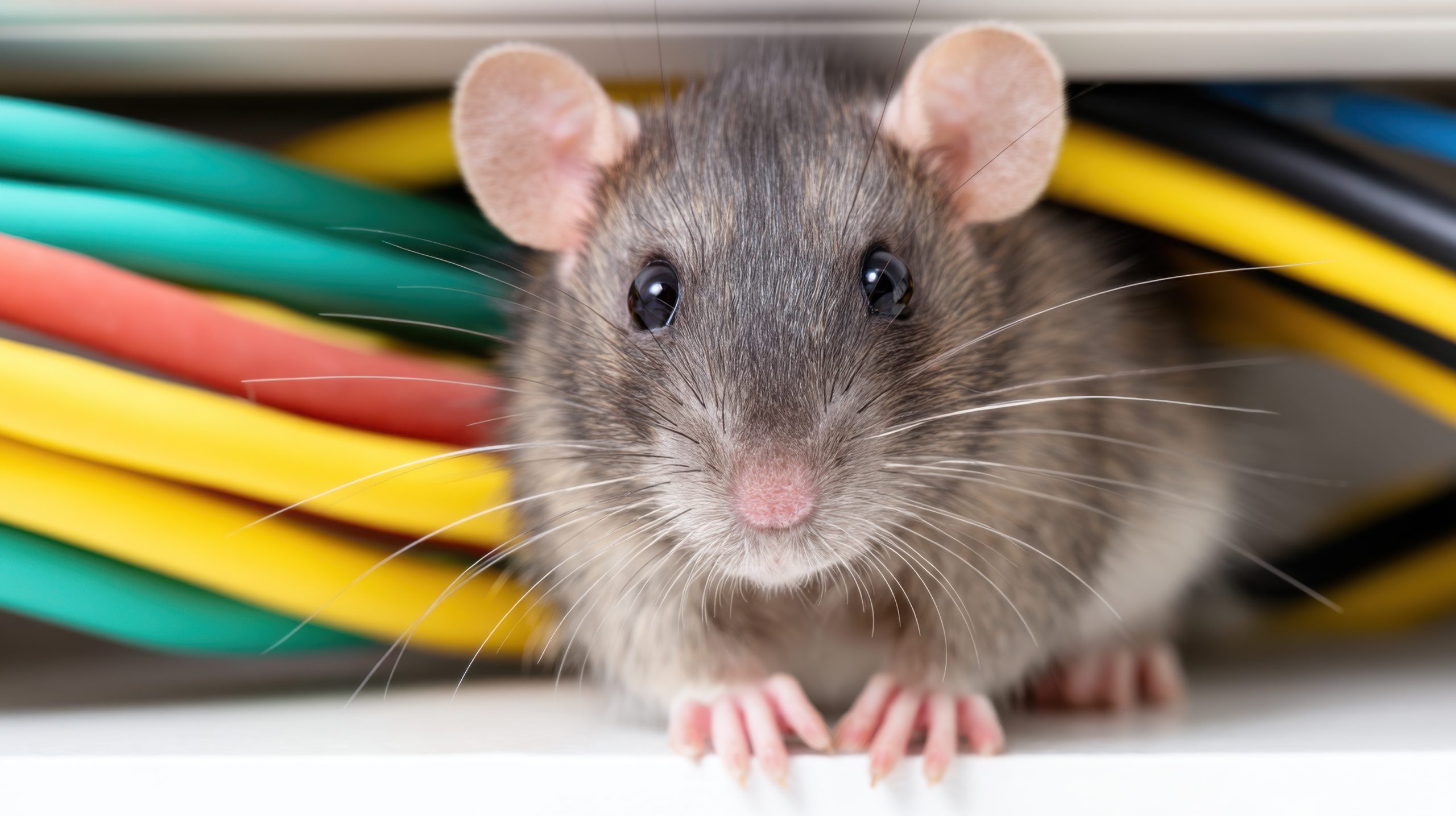
Rat evidence is generally larger and more pronounced than mouse evidence, but no single sign confirms the species. An inspection considers the complete pattern of activity.
Larger Droppings
Rat droppings are usually larger and thicker than mouse droppings and may appear near travel routes, food sources, waste areas or sheltered spaces.
Burrows and Disturbed Soil
Openings in soil may appear near foundations, decks, sheds, gardens, vegetation or other protected exterior areas.
Grease or Rub Marks
Repeated travel along walls, pipes or structural edges can leave dark or greasy-looking marks.
Gnawing and Damaged Materials
Look for damage to food packaging, waste bins, wood, plastic, stored materials or other surfaces.
Tracks and Travel Routes
Footprints, tail marks or repeated pathways may be visible in dusty, muddy or cluttered areas.
Sounds or Sightings
Scratching, movement at night or sightings near garbage, garages, yards or foundations may indicate active rat pressure.
Treatment and Exclusion Solve Different Parts of a Rat Problem
Active Treatment and Monitoring
Treatment is directed at current rat activity. The plan may involve professional control devices, strategic placement and follow-up monitoring based on the evidence found during inspection.
Monitoring helps determine whether fresh activity remains, whether rats are using the devices and whether the plan needs to be adjusted.
Entry-Point Sealing and Structural Repairs
Exclusion addresses openings that rats may use to enter or move through a structure. Door gaps, foundation openings, utility penetrations, damaged screening and other access conditions may require repair.
Minor openings may sometimes be addressed during service when practical and specifically authorized. Larger exclusion, drain-related work and structural repairs are assessed and quoted separately.
A Property-Specific Approach
Our Rat-Control Process
Rat control is most effective when inspection, treatment, monitoring and corrective recommendations are treated as connected parts of one plan.
01
Inspect the Property
We look for droppings, gnawing, burrows, travel routes, food and water sources, sheltered areas and possible access points inside and outside the building.
02
Build the Treatment Plan
Control methods and device locations are selected according to the property, the level of activity, access conditions and safety requirements.
03
Monitor and Adjust
When follow-up is needed, we reassess fresh evidence, device activity and changing conditions, then adjust the plan where appropriate.
04
Recommend Corrections
We identify sanitation, waste-management, vegetation, storage and structural conditions that may continue to support rat activity.
A Rat-Control Plan Must Fit the Property
Rat activity is not identical at every home or business. Device selection, placement and follow-up depend on where activity is occurring and what other food, shelter and access conditions are present.
Treatment and Device Placement
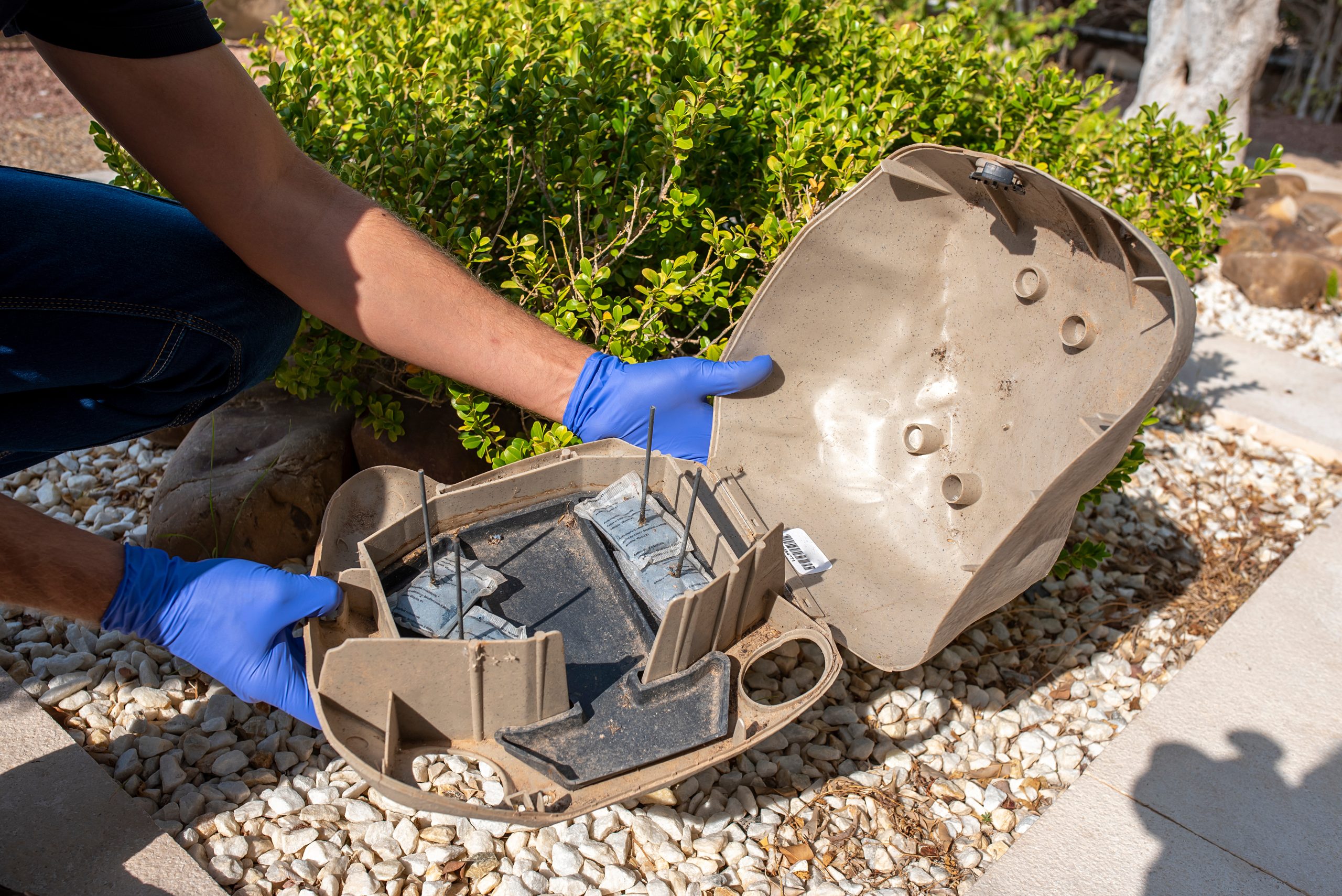
Depending on the site, a professional plan may use traps, tamper-resistant bait stations or other registered control products. Devices are selected and placed according to the property, observed activity and applicable product-label requirements.
Instructions and Customer Cooperation
Available food, waste practices, inaccessible areas and unresolved openings can affect the results of a rat-control program. We explain what should remain accessible, which devices should not be moved and what property corrections may support the treatment.
Tamper-resistant does not mean pet-proof. Keep children and pets away from all pest-control devices and follow the instructions provided for the property.
Conditions That Can Support Rat Activity
Treatment can be undermined when rats continue to have easy access to food, water, shelter or untreated travel routes.
Food and Waste
Open garbage, food spills, pet food, bird seed, damaged bins and poorly managed waste areas can compete with control devices.
Water and Shelter
Leaks, standing water, clutter, dense vegetation, stored materials and protected exterior spaces can support continued activity.
Openings and Routes
Door gaps, foundations, vents, utility penetrations, garages, crawl spaces and shared service areas may provide access or travel routes.
Exterior and Neighbouring Pressure
Rats may travel between adjoining properties, shared waste areas, construction zones and nearby sources of food or shelter.
Commercial Rat Management
Rat Control for Commercial and Multi-Residential Properties
Restaurants, warehouses, retail sites, apartment buildings, waste rooms, loading areas and managed properties may require more than a one-time device placement. Inspection, documentation, sanitation cooperation, access to affected areas and ongoing monitoring may all form part of the service plan.
Reliant provides on-demand service and can offer recurring inspection and monitoring for suitable commercial accounts. Visit frequency, device coverage and reporting requirements are determined by the property and written agreement.
- Restaurants and food operations
- Warehouses and industrial properties
- Retail and office properties
- Apartments and multi-residential buildings
- Waste rooms, compactors and loading areas
- Property-management portfolios
What Affects the Cost of Rat Control?
Rat-control pricing depends on the property, the evidence found and the work required. A simple interior issue may have a different scope from exterior burrows, multiple activity areas or a commercial monitoring program.
- Interior, exterior or combined activity
- Number and location of affected areas
- Burrows and exterior rat pressure
- Property size and property type
- Access difficulty
- Type and number of control devices
- Follow-up and monitoring requirements
- Commercial documentation requirements
- Sanitation and waste conditions
- Exclusion or structural-repair requirements
Free estimates may be available by phone based on the information provided. If an on-site inspection is needed, any applicable inspection fee will be confirmed before the visit. Final recommendations and pricing depend on the conditions found at the property.
Rat-Control Warranty and Follow-Up Scope
Rat activity may be influenced by exterior food sources, neighbouring properties, open access points and conditions outside the treated area. For that reason, warranty coverage is not assumed to be identical for every rat-control job.
Any warranty or included follow-up is confirmed in the written service plan before work begins and applies only to the treatment, locations, time period and conditions stated there. Structural repairs, sanitation work and new activity associated with unresolved or newly created access points are not automatically included unless specifically written into the agreement.
Handling Rat Droppings Safely
Do not sweep or vacuum dry rat droppings. Wear gloves, dampen contaminated material with an appropriate disinfecting solution before wiping it up, and follow the product directions carefully.
Large amounts of contamination, inaccessible areas or damaged insulation may require a separate professional-cleanup assessment. Rat treatment does not automatically include extensive contamination remediation.
Rat Control FAQs
How can I tell whether I have rats or mice?
Rats are larger and generally leave larger droppings, heavier gnawing, wider travel marks and, in many cases, exterior burrows. Mice and young rats can still be confused, so identification should consider several signs rather than one photograph or dropping.
Where do rats commonly enter buildings?
Possible access areas include gaps beneath doors, damaged door sweeps, foundation openings, utility penetrations, vents, garages, loading doors and crawl-space openings. The relevant routes vary by property.
Why am I seeing rats outside?
Exterior sightings may be associated with burrows, garbage, bird seed, pet food, standing water, vegetation, sheds, decks or nearby properties. An outdoor sighting does not necessarily show where the main activity is centred.
Does rat treatment include sealing entry points?
Treatment and exclusion are separate scopes. Minor openings may sometimes be handled when practical and specifically included. Larger sealing work, structural repairs and drain-related work require separate assessment and pricing.
How long does rat control take?
The timeline depends on the size and location of the activity, available food, access conditions, exterior pressure and whether follow-up or corrective work is required. A universal completion time should not be expected.
Why are follow-up visits sometimes necessary?
Follow-up can help determine whether fresh evidence remains, whether rats are interacting with the control devices and whether placements or recommendations need to be adjusted.
Are rat-control devices safe around children and pets?
Registered products and devices must be used according to their labels and the conditions of the property. Tamper-resistant stations are designed to reduce access, but they are not pet-proof or risk-free. Children and pets should be kept away from all pest-control devices.
What should businesses do about garbage and food waste?
Waste containers should close properly, spills and residues should be cleaned, food should be stored securely and waste rooms, loading areas and exterior grounds should be inspected regularly. Cooperation from staff, occupants and property management can be important.
What affects the price of rat control?
Pricing can be affected by the size and type of the property, interior or exterior activity, number of affected areas, burrows, access difficulty, treatment devices, follow-up requirements and any separate exclusion work.
Is rat control covered by a warranty?
Warranty and follow-up terms are not automatically identical for every property. Any coverage offered will be stated in the written service plan, along with its time period, covered areas, conditions and exclusions.
Should I clean rat droppings myself?
Small amounts may sometimes be handled using appropriate protective measures and wet-cleaning procedures. Never sweep or vacuum dry droppings. Extensive contamination or inaccessible material may require professional assessment.
Related Rodent and Pest-Control Services
Mice Control
Rodent Control
Commercial Pest Control
Need Help With Rat Activity?
Call Reliant to discuss what you are seeing, request an estimate or arrange an inspection.