Residential Pest Control
Pest problems can develop differently from one home to another. Reliant provides residential pest control for houses, condos, apartments and rental properties in Toronto, the GTA and selected surrounding communities, with service based on the pest, property conditions and level of activity.

Residential Pest Control
Houses, Condos & Rental Properties
Pest-Specific Service Plans
Toronto, GTA & Selected Surrounding Communities
Pest Problems Can Start in Different Parts of the Home
Pests may enter through openings around a building, move between connected units, establish activity near food or moisture sources, or develop outdoors close to the home. The signs and appropriate response depend on the pest involved.
A residential pest-control assessment helps identify the activity, understand where it is occurring and determine an appropriate service approach rather than applying the same treatment to every problem.
Common Residential Pest Services
Different pests require different inspection, treatment and follow-up strategies. Choose the service that best matches the activity you are seeing, or contact us if you are not sure where to start.
Mice Control
Mice can enter through small openings and establish activity in walls, kitchens, basements, garages and other protected areas of a home.
Rat Control
Rat activity may involve exterior harbourage, entry into structures, food sources and areas that provide shelter around a property.
Cockroach Control
Cockroaches can remain concealed in kitchens, bathrooms, utility areas and other locations where food, moisture and shelter are available.
Bed Bug Control
Bed bugs can spread through bedrooms, furniture and belongings and may require a structured treatment program and preparation.
Wasp & Hornet Control
Wasp and hornet activity may involve exposed, concealed, elevated or ground-level nesting locations around a residential property.
Signs of Pest Activity in a Home
The signs of a pest problem vary by species and location. Repeated or unexplained activity can help indicate where a closer assessment is needed.
Repeated Pest Sightings
Seeing the same pest repeatedly, especially in similar areas or at certain times of day, may indicate established activity nearby.
Droppings or Other Evidence
Droppings, shed material, staining or other pest evidence can help identify areas where activity is occurring.
Gnawing or Material Damage
Damage to packaging, stored materials, wood, wiring or other surfaces may be associated with certain pest problems.
Nesting or Concentrated Insect Activity
Repeated insects entering or leaving the same area may indicate a nest, harbourage area or other concentrated source of activity.
Noises in Concealed Areas
Scratching or movement in walls, ceilings or other concealed spaces can indicate rodent or other animal activity and may require further assessment.
Activity That Continues
When pest activity continues despite basic cleaning, sanitation or household prevention measures, the source may need to be identified and addressed directly.
A single sign does not always identify the pest or the extent of the problem. Pest-specific assessment is important before deciding on the appropriate service.
A Service Plan Based on the Pest and Property
Residential pest control should reflect the pest involved, where the activity is occurring and the conditions at the property.
1. Understand the Activity
We review what you have noticed, where the activity is occurring and relevant conditions around the property.
2. Assess the Problem
The service approach depends on the pest, available evidence, access, level of activity and areas affected.
3. Carry Out the Appropriate Service
Depending on the pest, service may involve targeted treatment, trapping, monitoring, nest treatment or other pest-specific control measures.
4. Follow-Up and Prevention Guidance
Where applicable, the service may include monitoring, follow-up or recommendations for conditions that could contribute to recurring activity.
Treatment and Structural Exclusion Solve Different Parts of a Pest Problem
Active pest control focuses on pest activity that is currently present. Depending on the pest, this may involve treatment, trapping, monitoring or another pest-specific control method.
Structural exclusion focuses on openings or building conditions that may allow pests to enter or re-enter a structure. Where exclusion or repair work is relevant, its scope should be assessed separately unless it is specifically included in the quoted service.
Not every pest problem requires exclusion, and exclusion does not automatically replace treatment for pest activity that is already present inside the property.
Different Residential Properties Need Different Approaches
The type of property can affect access, pest movement, entry points and who may need to be involved in addressing the problem.
Houses & Townhomes
Exterior entry points, attached structures, basements, garages and other property features can affect where pest activity develops and how the property is assessed.
Condos & Apartments
Pest activity may involve an individual unit, neighbouring units or conditions elsewhere in the building. Some situations may require coordination with property management.
Rental Properties
Tenants and property owners may need to coordinate access, preparation, repairs or follow-up depending on the pest and property conditions.
Multi-Unit Residential Properties
Shared walls, service areas and movement between units can make some pest problems broader than a single isolated unit and may require a coordinated assessment.
Preparation Depends on the Pest and Service
Preparation is not the same for every pest problem. Some residential services require little preparation, while others may require access to specific rooms, moving certain items, following occupancy instructions or coordinating with a landlord or property manager.
When preparation or post-service precautions are required, instructions should be based on the specific pest and service being performed rather than using one set of directions for every treatment.
What Affects the Cost of Residential Pest Control?
Residential pest-control pricing depends on the specific problem and the work required to address it.
Pest Involved
Different pests require different inspection, treatment and monitoring approaches.
Type and Extent of Activity
The amount of activity, how long it has been present and how widely it is distributed can affect the service required.
Property Size and Layout
The size, construction and layout of the property can affect access and the areas that need to be assessed or serviced.
Areas Requiring Access
Concealed, elevated or difficult-to-access areas may affect the work involved.
Service Method and Follow-Up
The type of treatment, number of visits and monitoring requirements vary by pest and situation.
Exclusion or Repair Work
Structural sealing, proofing or repair work, when required, is assessed according to the openings and conditions at the property and is not automatically included with pest treatment.
Because these factors vary, pricing is based on the specific problem and service required. A free estimate by phone may sometimes be possible based on the information provided.
Is It a Pest Problem or a Wildlife Problem?
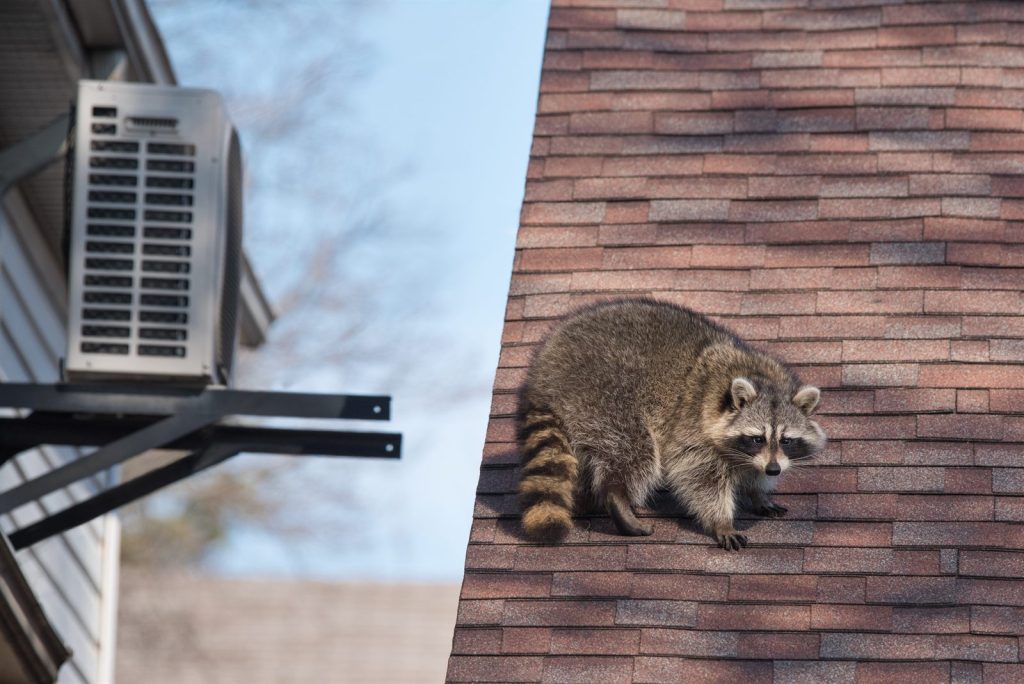
Mice, rats and household insects are handled through pest-control services. Raccoons, squirrels, skunks and other wildlife require a different assessment and removal or exclusion approach.
If the problem involves larger wildlife in an attic, roof, deck, shed or another part of the property, a wildlife service may be the more appropriate starting point.
If you are not sure what is causing the activity, tell us what you are seeing or hearing and where it is occurring so the problem can be directed to the appropriate service.
Residential Pest Control FAQs
How much does residential pest control cost?
The cost depends on the pest involved, the extent and location of the activity, property conditions, access, service method and whether follow-up or separate exclusion work is required. A free estimate by phone may sometimes be possible based on the information provided.
What pests do you treat in homes?
Residential services may include mice, rats, cockroaches, bed bugs, wasps and hornets, ants, spiders and other household insect problems. The appropriate service depends on the pest and the conditions at the property.
How do I know which pest-control service I need?
Start with the signs you are seeing, where the activity is occurring and how often it happens. If you cannot identify the pest confidently, contact us with that information and we can help determine the appropriate next step.
Do I need to prepare my home before service?
It depends on the pest and treatment being performed. Some services require little preparation, while others have specific access, preparation or post-service instructions. Any required preparation should be explained for the particular service.
Can you treat pest problems in condos and apartments?
Yes. Pest problems can occur in condos, apartments and other multi-unit residential properties. Depending on the situation, activity may involve conditions beyond a single unit and coordination with a landlord, condominium corporation or property manager may sometimes be required.
What if pests are entering through openings in my home?
Entry points can contribute to some pest problems, particularly rodents. Active pest control and structural exclusion address different parts of the problem. Where sealing or repair work is needed, the required scope can be assessed separately.
Is structural exclusion included with pest-control treatment?
Not automatically. Treatment addresses active pest activity, while exclusion addresses openings or structural conditions that may allow entry. Where exclusion or repair work is required, the scope and pricing should be confirmed for that specific service.
How many visits will my pest problem require?
The number of visits depends on the pest, level of activity, treatment method, monitoring requirements and how the problem responds to service. Some situations require follow-up or multiple treatments, while others may not.
Do residential pest-control services include a warranty?
Warranty and follow-up terms depend on the pest, service performed and applicable conditions. Where a warranty is offered, its duration, coverage and exclusions are explained for that specific service. Structural exclusion or repair work is not automatically covered by a pest-treatment warranty.
What should I do if I am not sure whether the problem is pests or wildlife?
Describe what you are seeing or hearing, where the activity is occurring and any other evidence you have noticed. Mice, rats and insects are handled as pest-control issues, while animals such as raccoons, squirrels and skunks are handled through wildlife services.
Not Sure Which Pest Service You Need?
Tell us what you are seeing, where the activity is occurring and what type of property is involved. We can help determine the appropriate next step.