Commercial Pest Management
Commercial Pest Control
Professional pest control for businesses and managed properties in Toronto, the GTA and selected surrounding communities.
Our commercial service is based on the pest issue, property conditions, access and the level of treatment, monitoring and follow-up required.
One-time service and ongoing monitoring may be available depending on the pest, property and service requirements.

Site Assessment
Service begins with understanding the pest activity, affected areas and relevant property conditions.
Targeted Service
The service approach is selected according to the pest, property, access and conditions found.
Monitoring & Follow-Up
Monitoring or follow-up may be recommended when the pest issue or property conditions require it.
Clear Service Scope
Treatment, monitoring, exclusion and structural work are treated as different scopes when applicable.
Pest Problems Can Affect More Than One Area of Your Business
Pest activity in a commercial property can create problems beyond the immediate sighting. Depending on the pest and the type of property, activity may affect staff or customer areas, stored goods, building conditions, sanitation efforts or day-to-day operations.
Commercial pest control therefore needs more than a generic treatment. The first step is understanding where activity is occurring, what may be contributing to it and what type of response is appropriate for the property.
A good service plan should address the current pest problem while also identifying conditions that may need monitoring, maintenance, sanitation changes or separate exclusion work.

What We Look At
Where Activity Is Occurring
Active areas, harbourage, travel routes and other evidence relevant to the pest.
What May Be Contributing to It
Food, water, storage, waste, access points, building conditions or other pest-specific factors where relevant.
What Happens After Treatment
Whether the property needs follow-up, monitoring, corrective actions or a separate exclusion assessment.
Pest Control for Different Commercial Environments
Commercial properties do not all have the same pest pressures. Layout, occupancy, storage, food handling, waste management, deliveries, neighbouring units and building condition can all affect how pest activity develops and how a service should be planned.
Commercial Kitchens & Food Service
Commercial kitchens, restaurants, cafés and other food-service areas may have pest pressures related to food handling, storage, waste, deliveries and building conditions.
Warehouses, Distribution & Industrial
Warehouses, distribution facilities, storage areas and industrial properties may require inspection and monitoring across large footprints, loading areas and stored materials.
Offices, Shops & Commercial Buildings
Offices, shops and other commercial buildings may experience pest activity around kitchens, stock rooms, utility spaces, receiving areas and other parts of the property.
Hotels, Hospitality & Recreation
Hotels, hospitality properties and recreational facilities may require pest-control service across guest, staff, food-service, storage and operational areas depending on the pest issue.
Condos, Apartments & Managed Properties
Pest activity in condos, apartments and managed properties may involve common areas, individual units and building conditions that require coordinated access and follow-up.
Golf Clubs & Facility Buildings
Pest control may be provided for clubhouses, pro shops, offices, reception areas, restaurants, kitchens, storage and other building areas. This does not refer to turf, greens, fairways or golf-course vegetation treatment.
Common Pest Problems in Commercial Properties
Instead of treating every pest as an identical commercial service, Reliant evaluates the actual pest problem and the conditions at the property.
Mice & Rats
Rodent activity may involve food and storage areas, wall or ceiling spaces, utility penetrations, loading areas and exterior access points. Treatment and monitoring do not automatically include structural exclusion.
Cockroaches & Crawling Insects
Cockroaches, ants and other crawling insects may require targeted treatment together with attention to harbourage, food, moisture and sanitation conditions.
Flies & Other Flying Insects
Flying-insect problems can be linked to waste, drains, food handling, moisture, exterior conditions or entry from outside. The correct response depends on the insect and source of activity.
Wasps & Stinging Insects
Visible or concealed wasp activity around commercial properties may require targeted treatment based on nest location, access and site conditions.
Bed Bugs Where Applicable
Bed bug service is assessed separately from ordinary structural pest programs because inspection, preparation and treatment requirements are different.
Wildlife removal, bird work, major exclusion and structural repairs are separate service categories and should not be presented as automatically included with commercial pest treatment.
How Commercial Pest Control Works
The exact service depends on the pest and property, but the commercial process should remain clear.
Assess the Property
We review the reported pest activity, affected areas, accessible conditions and other information relevant to the problem.
Identify Activity & Contributing Conditions
The technician looks for evidence, pest harbourage or travel areas and conditions that may be contributing to continued activity.
Establish the Service Approach
Treatment, monitoring and follow-up are selected according to the pest, activity level, access and property conditions.
Carry Out Targeted Service
Service is performed in the appropriate areas using methods suited to the pest and conditions identified.
Monitor, Follow Up & Coordinate
Where follow-up is needed, activity can be reassessed and next steps communicated with the appropriate site contact. Additional treatment, monitoring, maintenance recommendations or separate exclusion work may be required depending on conditions.
Some Commercial Pest Problems Need Ongoing Attention
Commercial pest control may be provided as a one-time service or as an ongoing program.
For properties that require recurring pest management, monthly service may include routine inspection, treatment and monitoring, with additional service arranged when seasonal or site-specific pest problems arise.
The appropriate service frequency depends on the pest, property conditions and service requirements.
- pest type;
- activity level;
- property layout;
- access;
- sanitation and storage conditions;
- surrounding pest pressure;
- findings during previous service;
- the level of monitoring required.
Relevant additional or seasonal pest issues may include wasps, flies, boxelder bugs and rodents where applicable.
Squirrels, chipmunks and other wildlife issues are separate wildlife-service scopes and are not included in a routine commercial pest-control program.
Working With the Site Contact
Clear communication can be important in commercial pest management. Relevant findings or next steps may involve coordination around access, cleaning, storage, waste, maintenance or areas that require further attention.
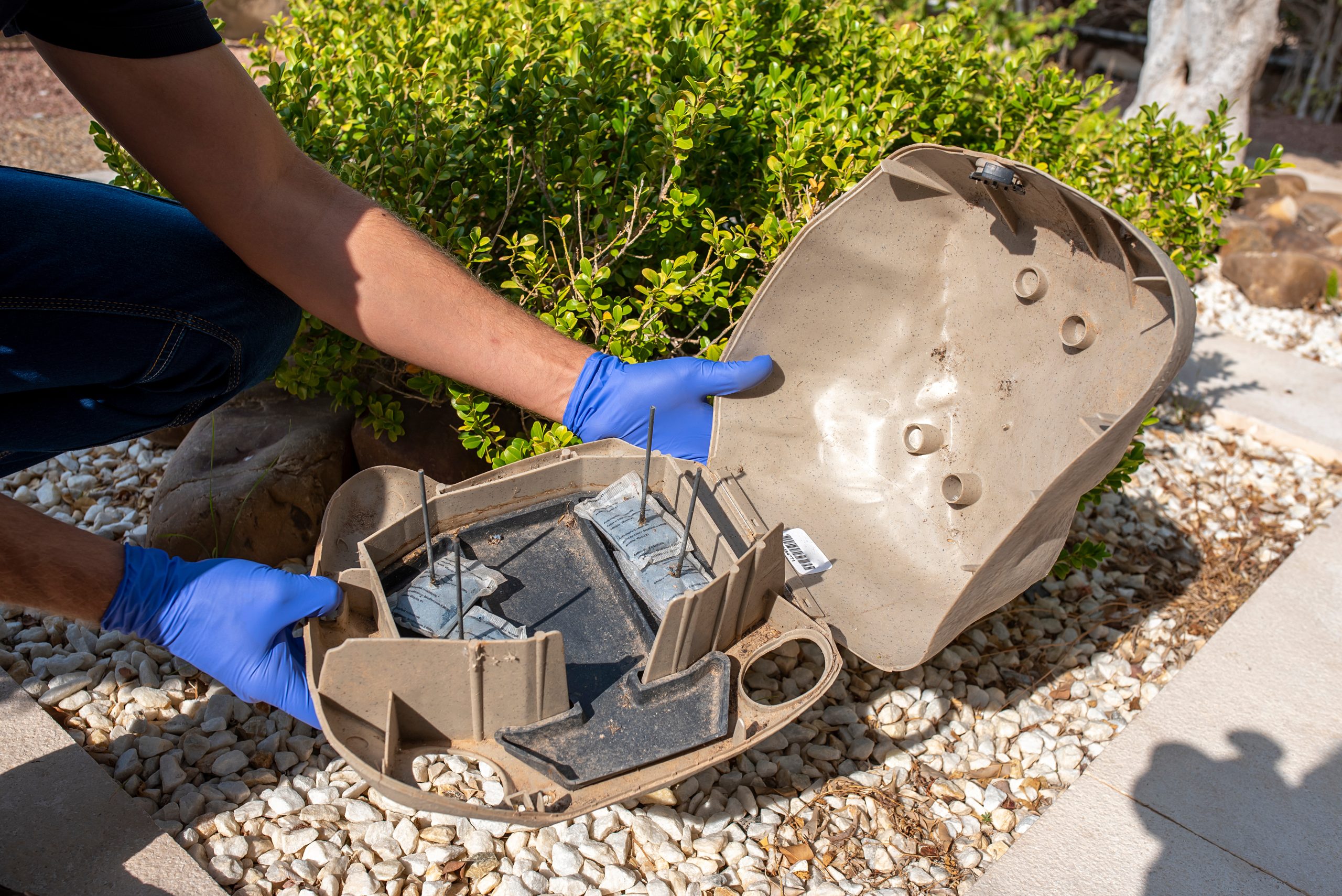
Pest Control Works Best When Contributing Conditions Are Addressed
Treatment can address active pest problems, but some conditions around a commercial property may continue to support pest activity.
Depending on the pest and property, technicians may identify conditions involving:
Food & Storage
Open food sources, stored goods, spills or clutter can provide food or harbourage for certain pests.
Water & Moisture
Leaks, drains, standing water or damp areas can contribute to some pest problems.
Waste & Sanitation
Waste handling, recycling and cleaning conditions can influence pest pressure in and around a property.
Building Conditions
Gaps, penetrations, damaged seals or other structural conditions may provide pest access.
Operational Conditions
Deliveries, shared walls, neighbouring units, frequent door use and movement of goods can introduce or maintain pest pressure.
Addressing these conditions is a shared process. Pest-control service does not replace building maintenance, sanitation or structural repair.
Treatment and Structural Pest Proofing Are Different Services
Commercial pest treatment focuses on addressing active pest activity using an appropriate service approach.
Structural exclusion focuses on reducing pest access by correcting relevant openings or building conditions.
They are related, but they are not the same service.
Pest Treatment May Include
- assessment of active pest areas;
- targeted treatment;
- monitoring where appropriate;
- follow-up based on the service plan.
Exclusion or Structural Work May Include
- assessment of potential entry points;
- sealing or pest-proofing work where offered;
- recommendations for maintenance or repair;
- separately quoted structural work.
Major exclusion, repairs, bird proofing and wildlife work should not be assumed to be included in a standard commercial pest-control visit.
If structural work appears relevant, Reliant can explain the appropriate next step based on what is found.
What Affects the Cost of Commercial Pest Control?
There is no single price that accurately covers every commercial pest problem.
Pricing can depend on:
Property Size & Layout
Larger or more complex properties may require additional inspection, treatment or monitoring time.
Pest Type & Activity
Different pests require different methods, equipment and follow-up.
Number of Affected Areas
A localized issue may require a different scope than activity found in several areas of a property.
Access & Site Conditions
Restricted access, ceiling or utility areas, occupied spaces and other property conditions can affect service requirements.
One-Time vs. Ongoing Service
A single targeted service and an ongoing monitoring program have different scopes.
Exclusion or Repair Requirements
Structural pest proofing, repairs and other exclusion work may be quoted separately when applicable.
Contact Reliant with the property location, type of business, pest concern and what you have been seeing. We can discuss the next step and determine what information is needed to prepare an appropriate quote.
Commercial Pest Control FAQs
Do you provide one-time and ongoing commercial pest control?
Depending on the pest and property, service may range from a targeted one-time visit to a plan involving monitoring or follow-up. The appropriate scope is determined from the pest issue, site conditions and service requirements.
How often should commercial pest control be scheduled?
There is no single schedule that is right for every business. Frequency can depend on the pest, level of activity, property conditions, monitoring needs and what is found during service. Some properties may need periodic attention while others may require a more limited response.
What types of commercial properties can you help with?
Reliant works with commercial and managed properties where the pest issue and service requirements are within our scope. Common environments can include workplaces, retail properties, warehouses, food-service settings and multi-unit or managed properties. Contact us with the property details so we can confirm the appropriate service.
What commercial pests do you treat?
Commercial pest concerns may include mice, rats, cockroaches, ants, flies, wasps and other common structural pests. Bed bugs and certain other pests have their own service requirements. Wildlife, bird work and major exclusion should be treated as separate service scopes.
Will pest-control service interrupt our operations?
Service planning takes the property, access and operating conditions into account where practical. However, the requirements vary by pest and treatment method, so we do not promise that every service can be completed with no operational impact. Any relevant preparation or access requirements should be discussed before service.
Can commercial pest problems be handled in one visit?
Sometimes a localized issue can be addressed with a limited service, while other problems require monitoring, follow-up or additional treatment. Pest type, activity level, property conditions and access all affect what is appropriate.
Is exclusion or pest proofing included with treatment?
Not automatically. Treatment and structural exclusion are different scopes. If openings or building conditions are contributing to pest activity, exclusion or repairs may need to be assessed and quoted separately.
Do you provide commercial service documentation?
Reliant communicates relevant findings and service recommendations with the appropriate site contact. If your business requires a particular form of documentation or reporting, tell us when requesting a quote so we can confirm whether that requirement can be supported.
How much does commercial pest control cost?
Pricing depends on the pest, property size and layout, level of activity, affected areas, access, number of visits or monitoring requirements and whether separate exclusion work is needed. A quote should be based on the actual service scope rather than a universal commercial price.
Can you work with property managers, tenants or other site contacts?
Commercial service often requires coordination around access and affected areas. Tell us who the appropriate site contact is and any property-specific access requirements when arranging service.
Related Pest Control Services
Mice Control
For active mouse problems in homes and commercial properties, including assessment, treatment and monitoring based on site conditions.
Rat Control
For rat activity requiring inspection, treatment and assessment of contributing property conditions.
Cockroach Control
Targeted cockroach control for commercial properties, apartments and other affected environments.
Bed Bug Control
A separate service program for properties dealing with bed bug activity and the preparation and treatment requirements that come with it.
Need Help With a Pest Problem at Your Business?
Tell us about the property, the pest issue and what you are seeing.
Reliant provides commercial pest-control service in Toronto, the GTA and selected surrounding communities, with the service scope based on the pest, property conditions and level of follow-up required.