Pest Inspection & Assessment

Not every pest problem is easy to identify. You may hear movement in a wall, find unexplained droppings, notice an insect you do not recognize, or keep seeing activity without knowing where it is coming from.

Reliant Pest Control & Wildlife Services can help assess the problem and determine the appropriate next step. We can often begin by phone using the information, photos or videos you provide. When a closer look is needed, an on-site inspection can help identify evidence, activity areas, possible entry points and contributing conditions.

Start by phone. If an on-site inspection is needed, we’ll explain any applicable inspection fee before the visit.
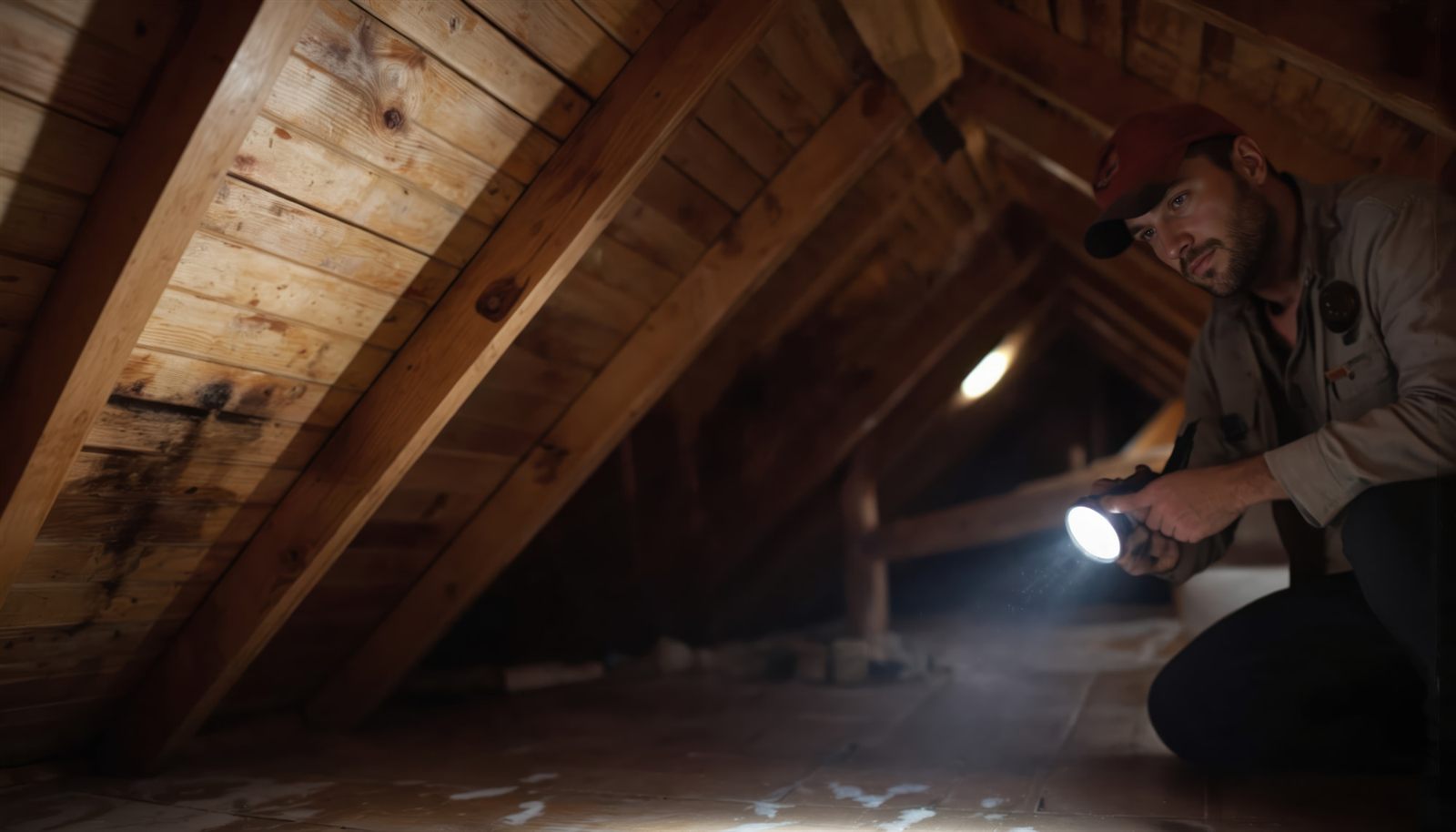
Pest control technician using a flashlight to inspect attic framing for pest activity and possible entry points

Start With the Right Assessment

A pest problem does not always require an inspection visit before you know what to do.

You may benefit from an assessment if you are dealing with:

• Droppings or other evidence you cannot identify

• Scratching or movement in walls, ceilings or attics

• Insects you cannot confidently identify

• Recurring pest activity

• Suspected mice or rats without knowing where they are entering

• Activity in a kitchen, basement, garage or attic

• Damage around vents, foundations, utility openings or roof-level areas

• Possible wildlife activity

• Uncertainty about whether you need treatment, monitoring, exclusion or another service

The purpose is to understand the problem well enough to recommend an appropriate response—not to recommend work that is not needed.

How Our Pest Assessment Process Works

01

1. Tell Us What You’re Seeing

We start by discussing the problem by phone. Tell us what you have seen, heard or found, where the activity is occurring and how long it has been happening.

Clear photos or videos of insects, droppings, damage or possible entry points can also be helpful.

02

2. We Determine Whether an On-Site Inspection Is Needed

Some problems can be assessed well enough from the information provided to recommend the appropriate service.

When the pest cannot be identified with reasonable confidence, entry points need to be investigated or the source of the activity is unclear, we can recommend an on-site inspection.

03

3. We Explain the Findings and Next Step

After the assessment, we explain what was found and what type of response makes sense.

Depending on the situation, that may involve treatment, monitoring, rodent control, wildlife removal, exclusion, proofing or another appropriate service.

What We May Inspect

The inspection is based on the reported problem rather than a generic checklist applied to every property.

Depending on the situation and safe accessibility, relevant areas may include:

Interior Activity Areas

Rooms and spaces where pests have been seen or where evidence has been found.

Kitchens and Utility Areas

Locations where food, water, plumbing, appliances or service penetrations may contribute to pest activity.

Basements and Garages

Areas where rodents and other pests may travel, harbour or enter the structure.

Attics

When relevant and safely accessible, attic areas may be checked for evidence of rodents, wildlife, nesting, damage or possible access.

Foundations and Utility Penetrations

Exterior gaps around pipes, cables and other openings that may allow pest or rodent entry.

Vents, Soffits and Roof-Level Areas

Where relevant and safely observable, exterior areas may be assessed for signs of rodent or wildlife access.

The inspection focuses on areas connected to the pest or wildlife concern. It is not a general building, structural or home inspection.

What We Look For

A useful pest inspection involves more than finding a visible insect or animal. Depending on the problem, we may assess:

• Evidence of current or previous activity

• The likely pest or wildlife species involved

• Droppings, nesting material, damage or other signs

• Likely travel or harbourage areas

• Possible exterior entry points

• Food, water, moisture or shelter conditions contributing to activity

• Areas that may require monitoring

• Whether exclusion or proofing should be considered

• Conditions that could affect treatment or follow-up

Individual signs do not always provide a definite diagnosis. We consider the available evidence together with the property conditions and the information you provide.

Inspection, Treatment and Exclusion Are Different Services

An inspection helps determine what is happening and what should be done next. It does not automatically include treatment, exclusion or structural repairs.

Depending on the findings, Reliant may recommend:

Treatment

To address active insect or rodent activity.

Monitoring or Follow-Up

When activity needs to be tracked or additional visits are appropriate.

Exclusion or Proofing

When mice, rats or wildlife are using structural openings to enter a property.

Separate Repairs

When larger structural repairs or work outside the pest-control service scope is required.

If treatment or other work is recommended, we explain the proposed scope and applicable pricing before you decide whether to proceed.

If treatment is not appropriate based on what we find, we will explain that as well.

Pest Inspection Fees

We can often begin with a free phone assessment using the information and photos you provide.

If the problem requires an on-site inspection, any applicable inspection fee will be explained before the visit.

If an on-site inspection fee applies and you proceed with the recommended service, the inspection fee will be credited toward that service.

This means you are not charged once for the inspection and then charged the same amount again when you proceed with the recommended work.

Treatment, exclusion, proofing and structural repairs remain separate scopes unless specifically included in the approved service.

Call for a Pest Assessment

Pest, Rodent and Wildlife Assessments

Reliant can assess concerns involving pests we service, including mice, rats, cockroaches, bed bugs, wasps, spiders, silverfish, centipedes and millipedes.

We can also assess situations where the customer is unsure whether noises, damage or other signs are being caused by rodents or wildlife.

For mice and rats, particular attention may be given to activity areas, droppings, travel routes and potential exterior entry points.

For wildlife concerns, the next step depends on the species involved, where the animal is located, access conditions and other site-specific factors.

The assessment helps route the problem to the appropriate service rather than assuming every situation requires the same solution.

Residential and Commercial Pest Assessments

Residential Properties

Reliant can assess pest concerns in houses, townhomes, condominiums and rental properties where appropriate access is available.

In multi-unit properties, pest activity may sometimes involve neighbouring units, common areas or building conditions outside a single unit. We will explain when broader access or coordination may be necessary.

Commercial Properties

Commercial pest concerns can involve offices, restaurants and food-service areas, warehouses, retail properties, property-managed buildings and other operational spaces.

An assessment may consider pest evidence, harbourage, structural access, sanitation conditions, monitoring needs and whether recurring pest management is more appropriate than a one-time treatment.

Pest Inspection & Assessment FAQs

Sometimes. Clear photos of an insect, droppings, damage or other evidence may help narrow down the problem. Some situations cannot be identified confidently from a photo alone, and an on-site inspection may be recommended.

Related Services

Depending on what the assessment identifies, the appropriate next step may include:

Not Sure What Pest Problem You Have?

You do not need to diagnose the problem before contacting Reliant.

Tell us what you are seeing, hearing or finding, and provide photos when possible. We can start with a phone assessment and determine whether an on-site inspection or a specific pest or wildlife service is the appropriate next step.

Call Reliant for a Pest Inspection & Assessment in Toronto, the GTA and selected surrounding Ontario communities.